
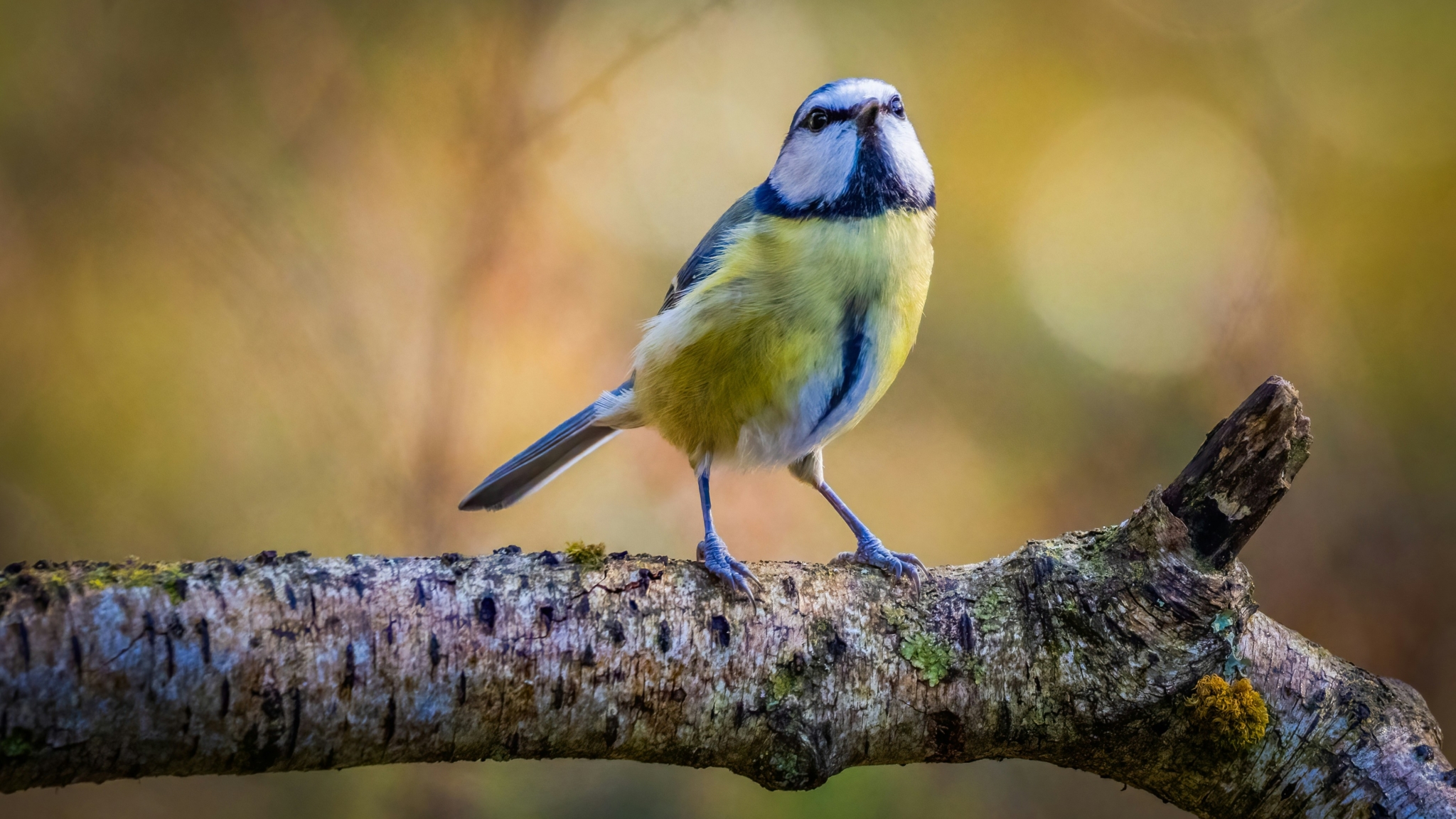
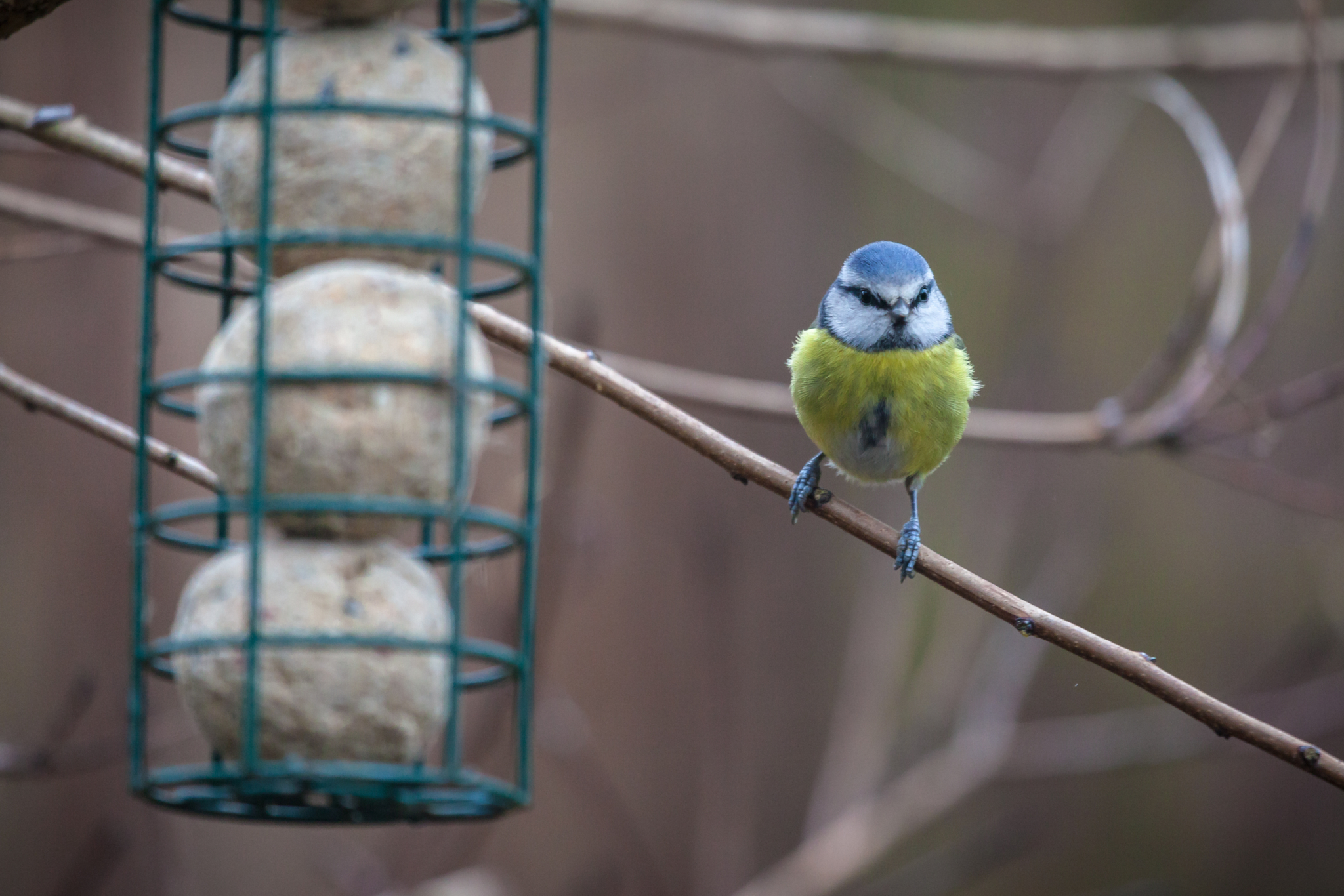
Who doesn’t enjoy looking out of the window and spotting a robin hopping across the lawn, a family of blue tits on the feeder or a flash of colour as a goldfinch arrives for breakfast.
If you want to encourage more garden birds, putting out food can help. But not all bird food is the same, and different birds have very different tastes. Choosing the right food, and the right feeder, can make your garden much more attractive to a wider variety of visitors.
Sunflower hearts are a great all-rounder
If you only want to buy one type of bird food, sunflower hearts are a good place to start. They are the kernels inside sunflower seeds, so birds don’t have to spend time removing the husk.
They are particularly popular with finches, including chaffinches and greenfinches, as well as blue tits, great tits, house sparrows and other small garden birds. They are also less messy than whole sunflower seeds because there are no piles of discarded husks underneath the feeder.
Use a hanging seed feeder with several feeding ports. Choose one that keeps the food dry and allows uneaten seed to drain away.
Nyjer seed for goldfinches and other finches
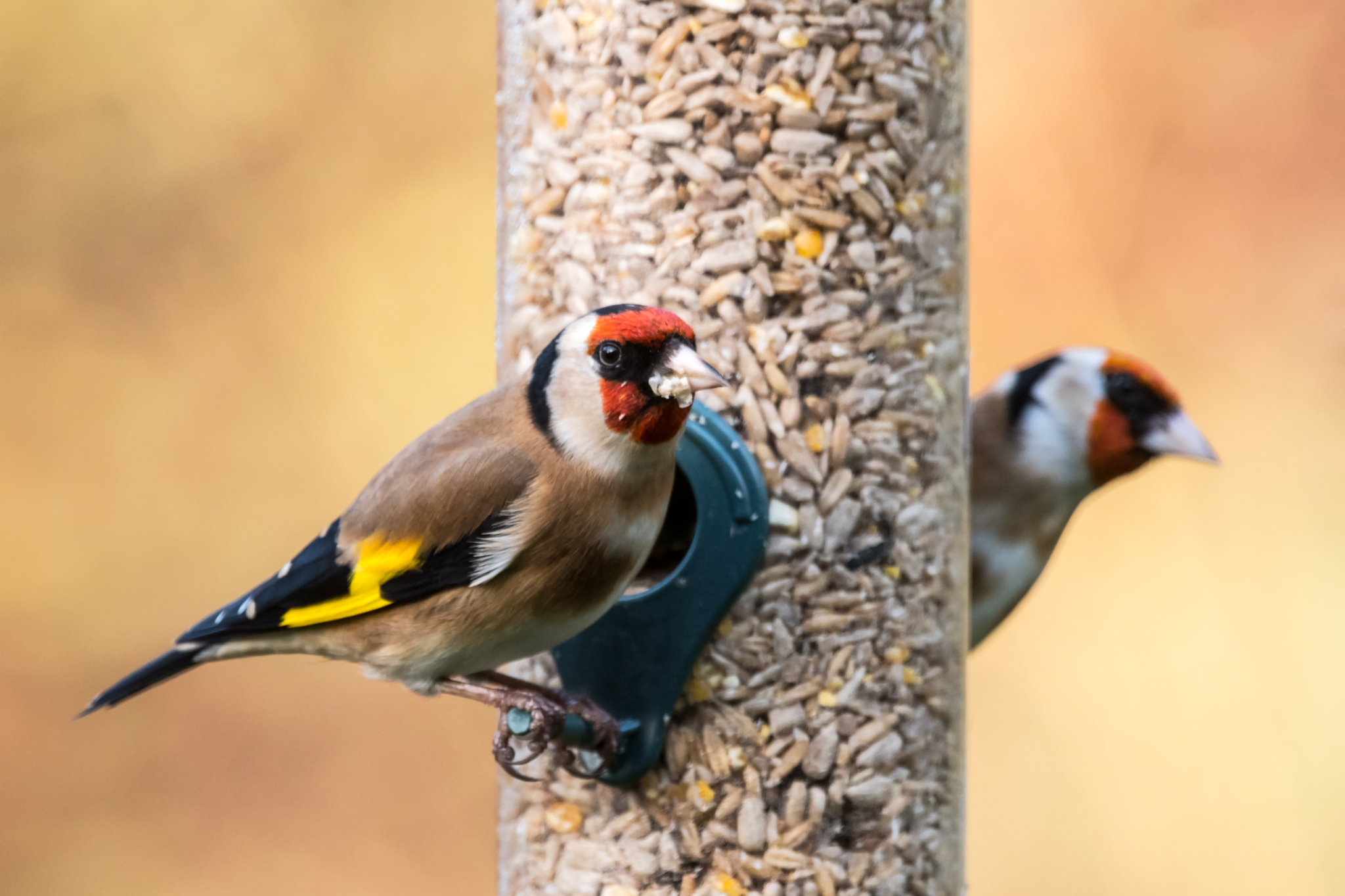
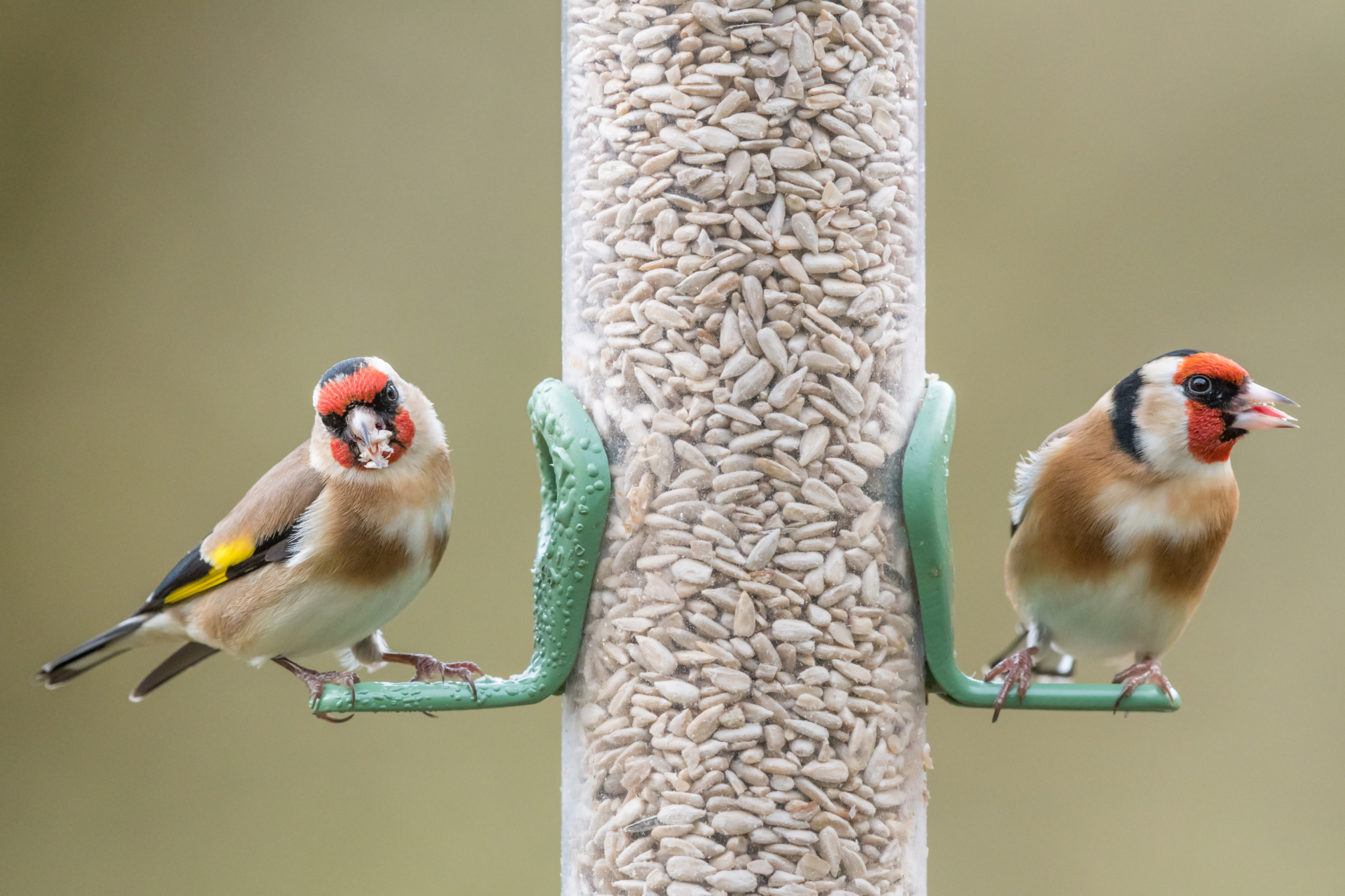
Nyjer seed, sometimes called thistle seed, is tiny, black and rich in oil. It is particularly popular with goldfinches and siskins and can also attract greenfinches and redpolls.
Because the seeds are so small, you need a dedicated nyjer feeder with much smaller feeding ports or slits than a standard seed feeder. Otherwise, you may find your bird food ends up on the ground! If the seed gets wet or goes stale, finches won’t be tempted, so less is more when it comes to putting it outside.
Goldfinches can also be attracted by sunflower hearts, so if you are hoping to see these colourful visitors, offering both can be worthwhile.
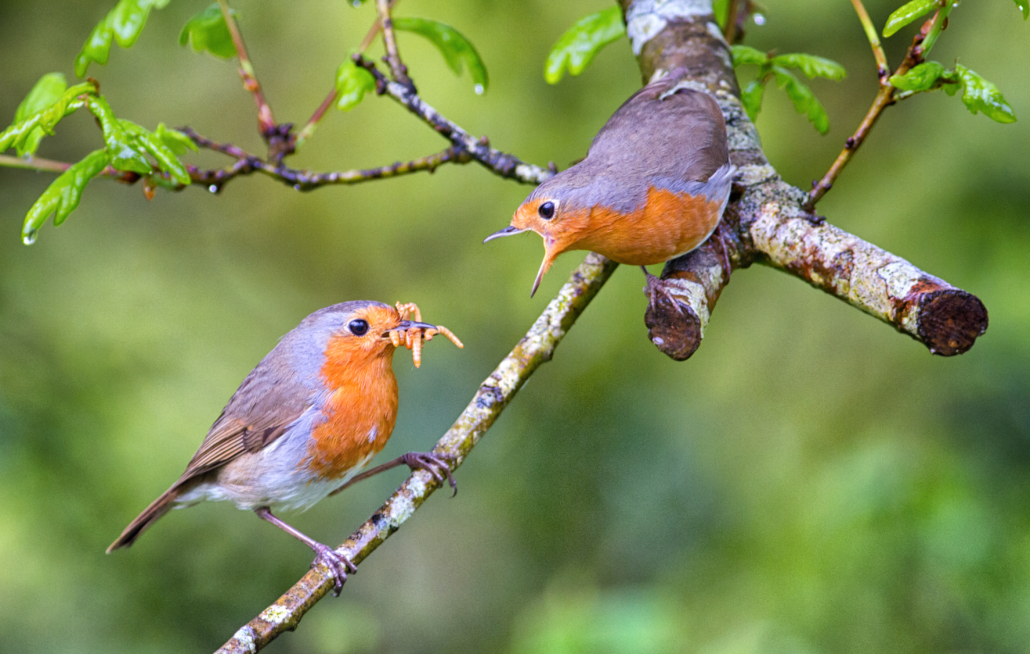
Mealworms are a robin favourite
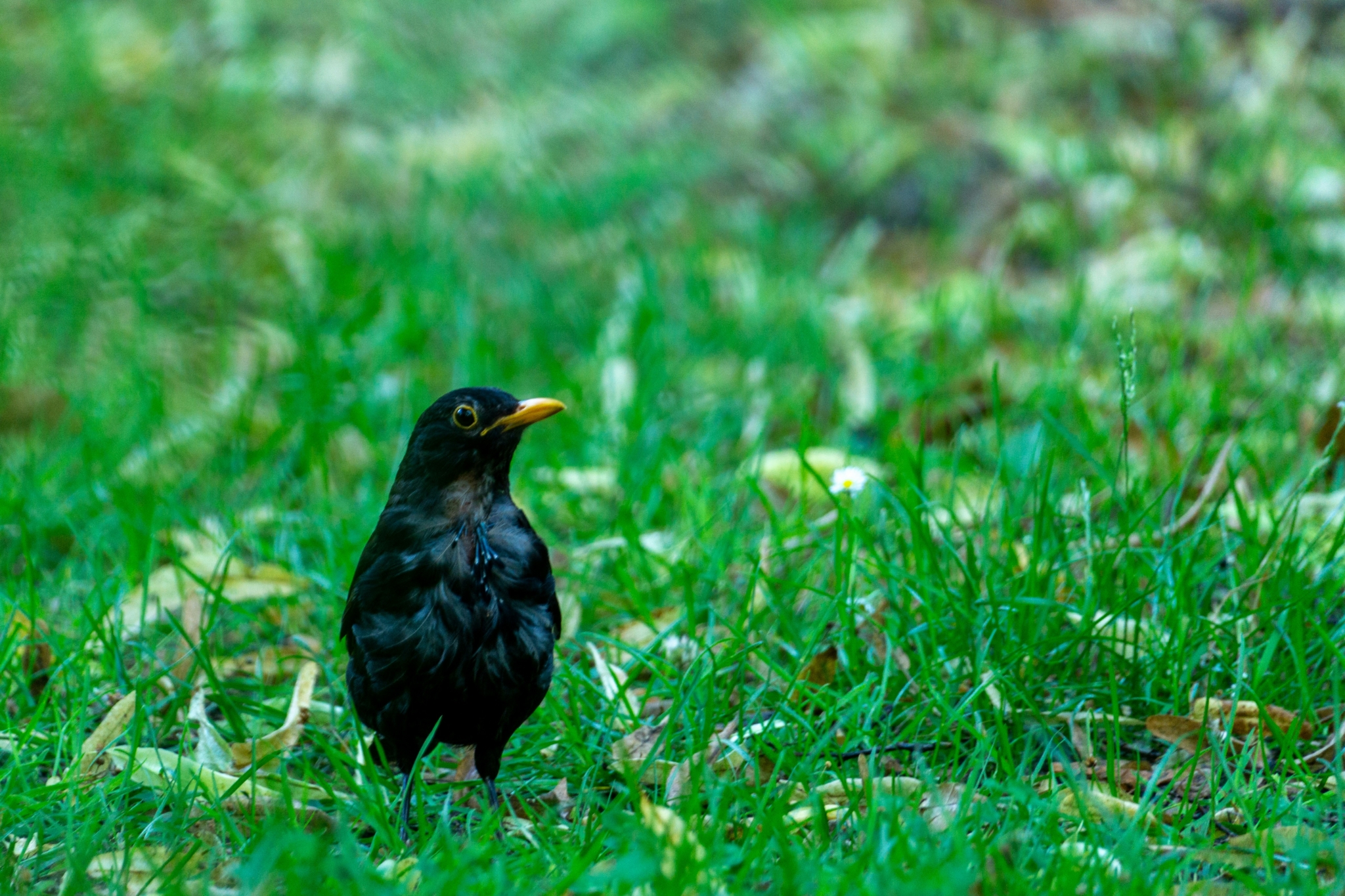
Robins, blackbirds, blue tits and other insect-eating birds are particularly partial to mealworms. They provide protein and are a useful alternative to the insects birds would naturally find while foraging.
Dried mealworms are convenient to store and can be rehydrated in water, which is particularly useful during the breeding season from springtime, as softer, moisture-rich food is easier for young birds to manage.
A shallow mealworm feeder, small dish or ground feeder works well. Robins and blackbirds are natural ground feeders, so scattering a small amount in a suitable spot can work too.
Suet provides valuable energy
Fat-rich foods can be particularly useful when birds need extra energy, especially during cold weather. Suet balls, pellets and other fat-based foods are popular with a wide range of garden birds, including tits, sparrows, starlings, woodpeckers and nuthatches.
Use a dedicated suet feeder or cage. Most fat balls now come loose, but if you buy them in plastic or nylon mesh bags, it’s a good idea to remove the mesh before putting them out.
Peanuts are popular with a range of garden birds
Peanuts are a nutritious, energy-rich food that can attract a good variety of garden visitors, including tits, nuthatches, woodpeckers and sometimes robins and wrens. They are particularly useful during colder weather when birds need plenty of energy. Only use peanuts intended for birds, not humans.
Use a rigid mesh peanut feeder as this encourages birds to take small pieces, which are easier and safer for them to eat. As with all bird feeders, choose a sturdy design that is easy to clean and keep it topped up with fresh food rather than allowing old peanuts to remain for long periods. Please see below for advice on seasonally pausing peanut feeding.
What about mixed bird seed?
A good-quality seed mix can attract a variety of birds, but it is worth checking the ingredients rather than simply choosing the cheapest bag.
Some cheaper mixes contain a high proportion of cereals and other ingredients that many garden birds are less interested in. Birds can be surprisingly fussy eaters, leaving the less desirable ingredients behind. You may find your garden fills with pigeons and other large birds, rather than smaller garden birds. A ‘no grow’ mix is ideal to prevent unwanted weeds popping up on your lawn.
Look for a mix containing plenty of sunflower hearts and other seeds suited to garden birds, rather than one dominated by fillers.
 Facebook
 YouTube
 Instagram