Cottage Garden Festival

Have you ever walked past a summer garden and admired its layered, informal style of planting? Chances are you’re looking at a cottage garden. To celebrate our Cottage Garden Festival, we’re sharing our top tips to help you create your own authentic cottage garden look.

Cottage gardens have been popular since the 19th century, when they were introduced as an antidote to the strict, formal, high maintenance designs of Victorian estate gardens. At that time, cottage gardens were usually filled with herbs and edible plants used for medicinal purposes and cooking.

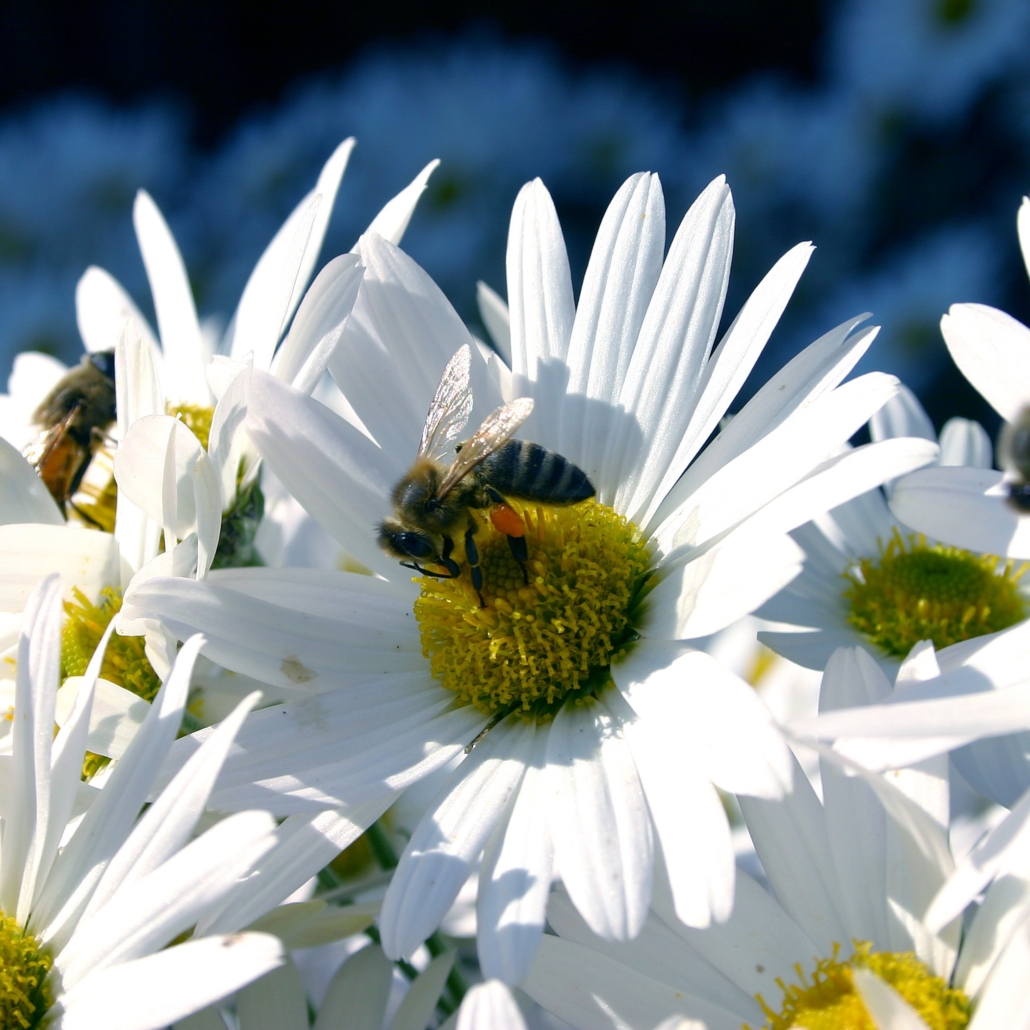
Today, cottage gardens often still include some herbs and edibles, but they are packed with highly colourful blooms too. They are a perfect way to attract bees and butterflies to your garden and support a natural ecosystem. This is a true English garden design which introduces movement and vibrancy in a seemingly effortless way.

To create this effortless look, however, you need to plan carefully!

Layering

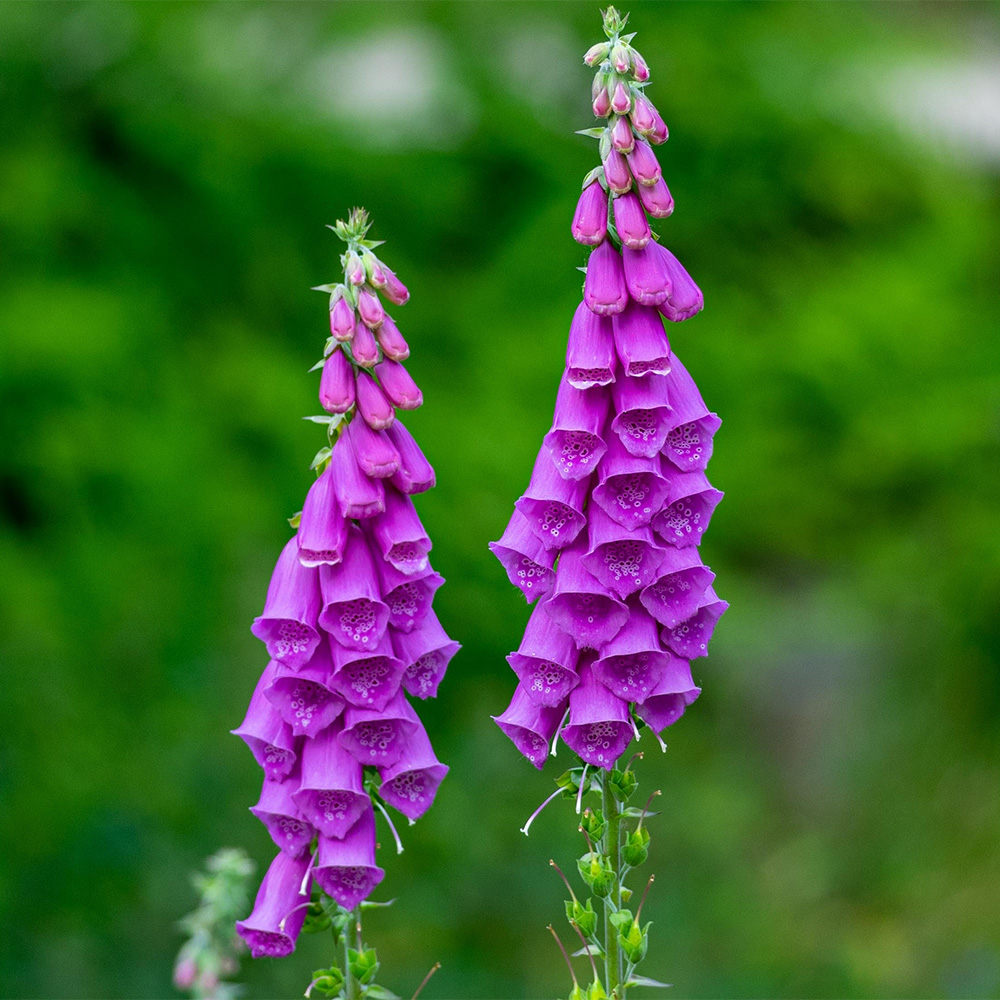
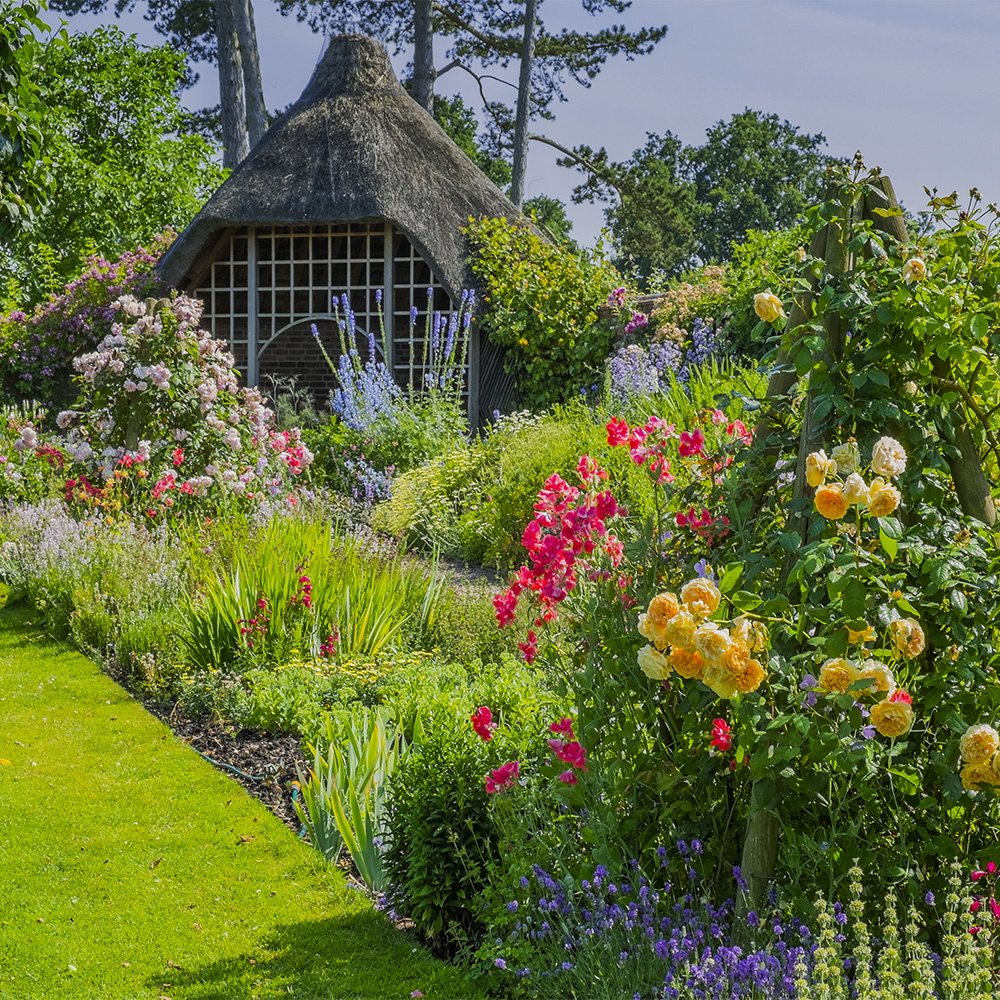
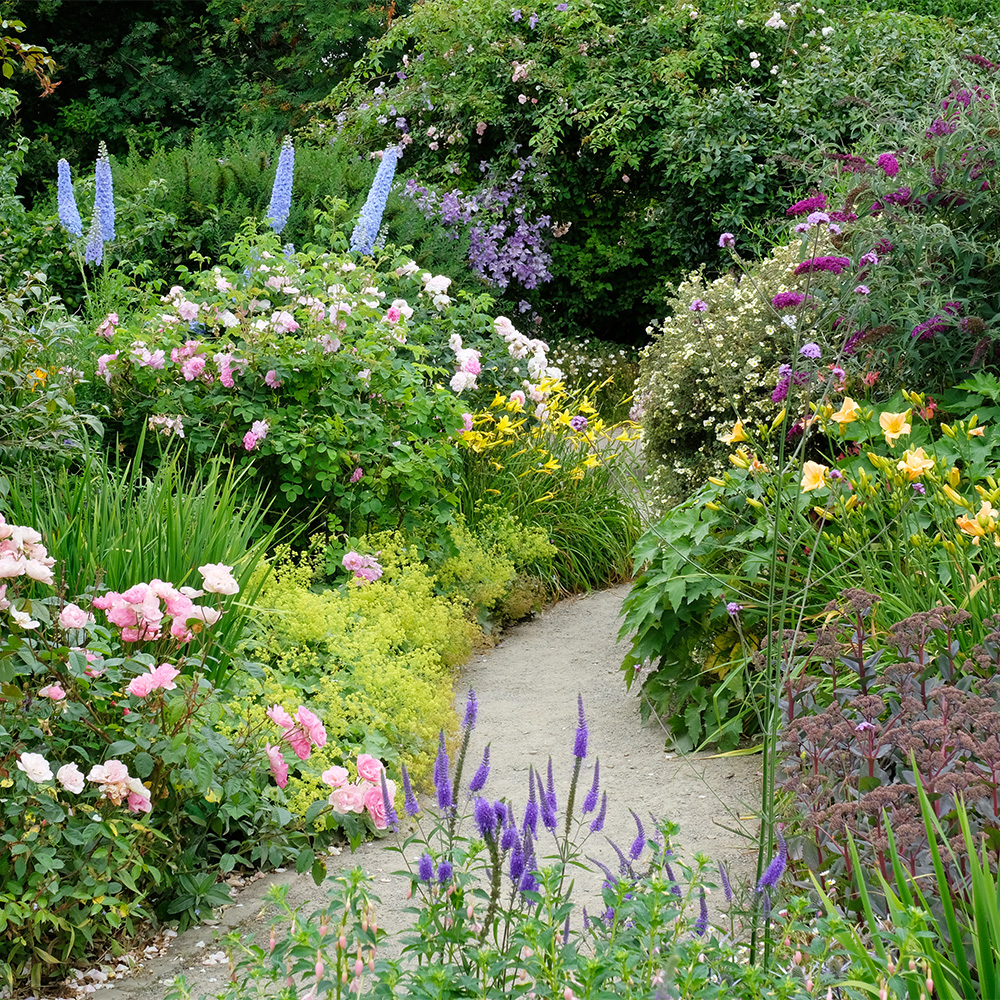
One of the key features of a cottage garden is layered heights, from tall delphiniums and digitalis at the back of borders to shorter front edging blooms such as scabious and geraniums. Use bedding plants to fill gaps and add splashes of additional colour. This style of planting allows all your flowers to be enjoyed.

Go wild!

Informal planting is the name of the game. You want a relaxed, natural look so don’t plant in straight lines. Instead, gently stagger the plants. Cottage garden borders look best when they are full, so place plants close together.

Mix it up

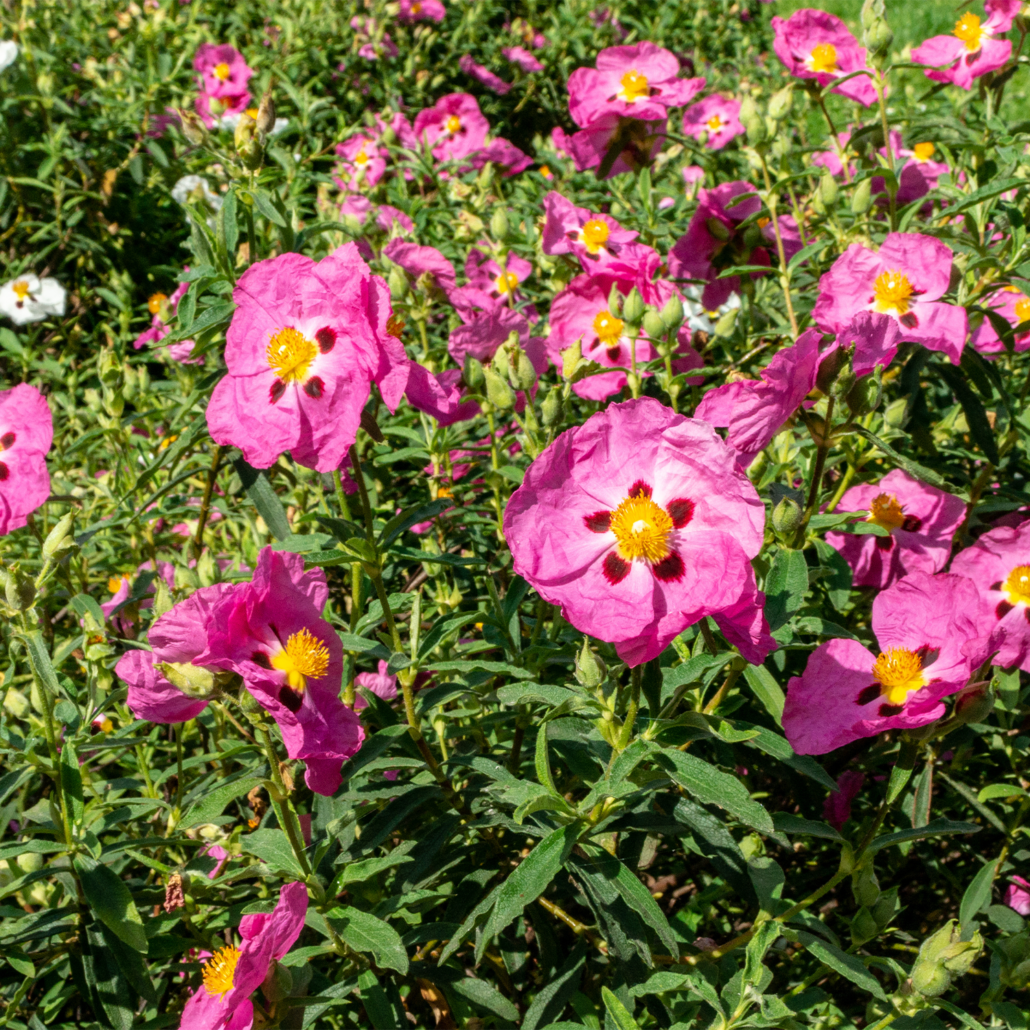
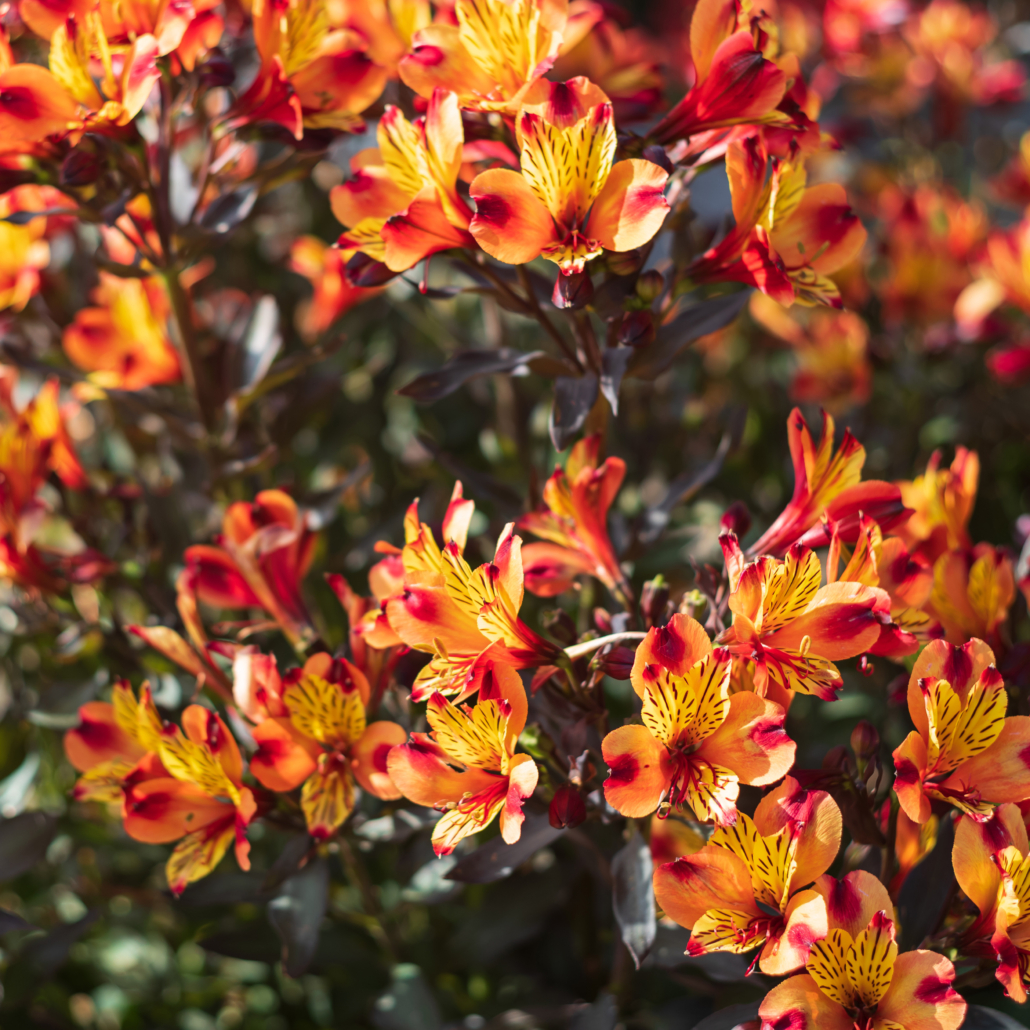
To enhance the natural flow, mix different varieties of a similar height. With a cottage garden you can go full throttle on different colours, shapes and textures. If you like pastels there are plenty of beautiful pinks, pale blues, mauves and whites. Introduce reds, yellows, oranges and purples to step up the colour impact a notch.

Add structure

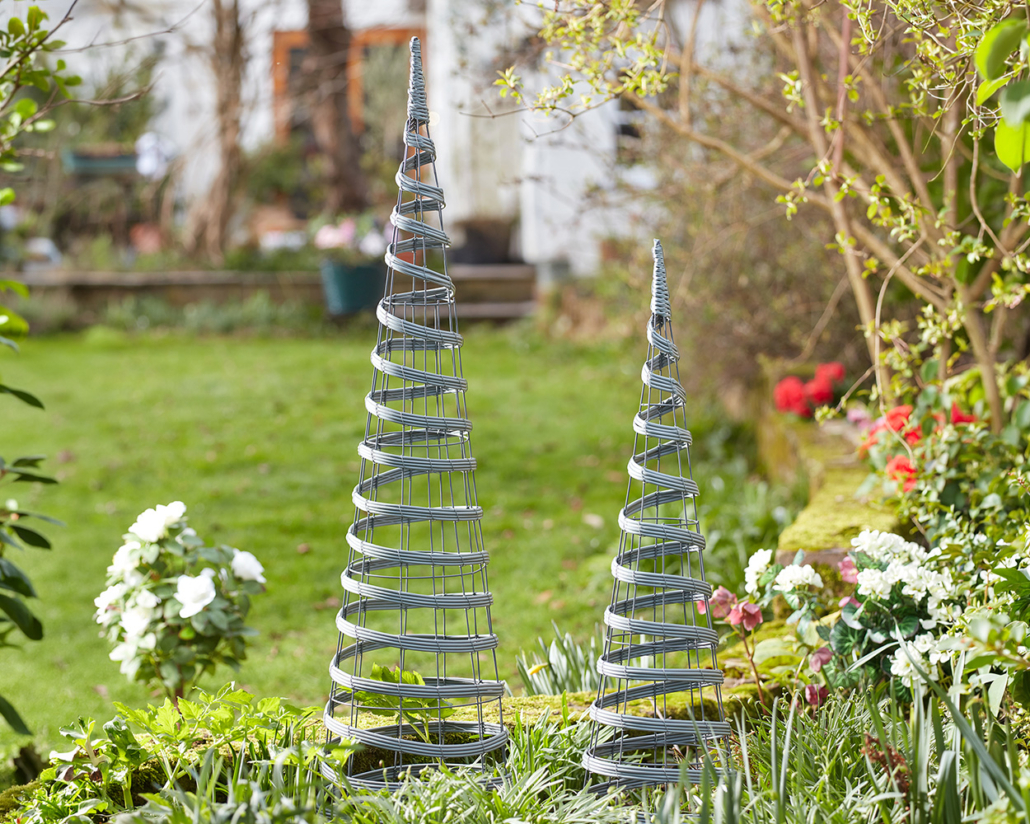
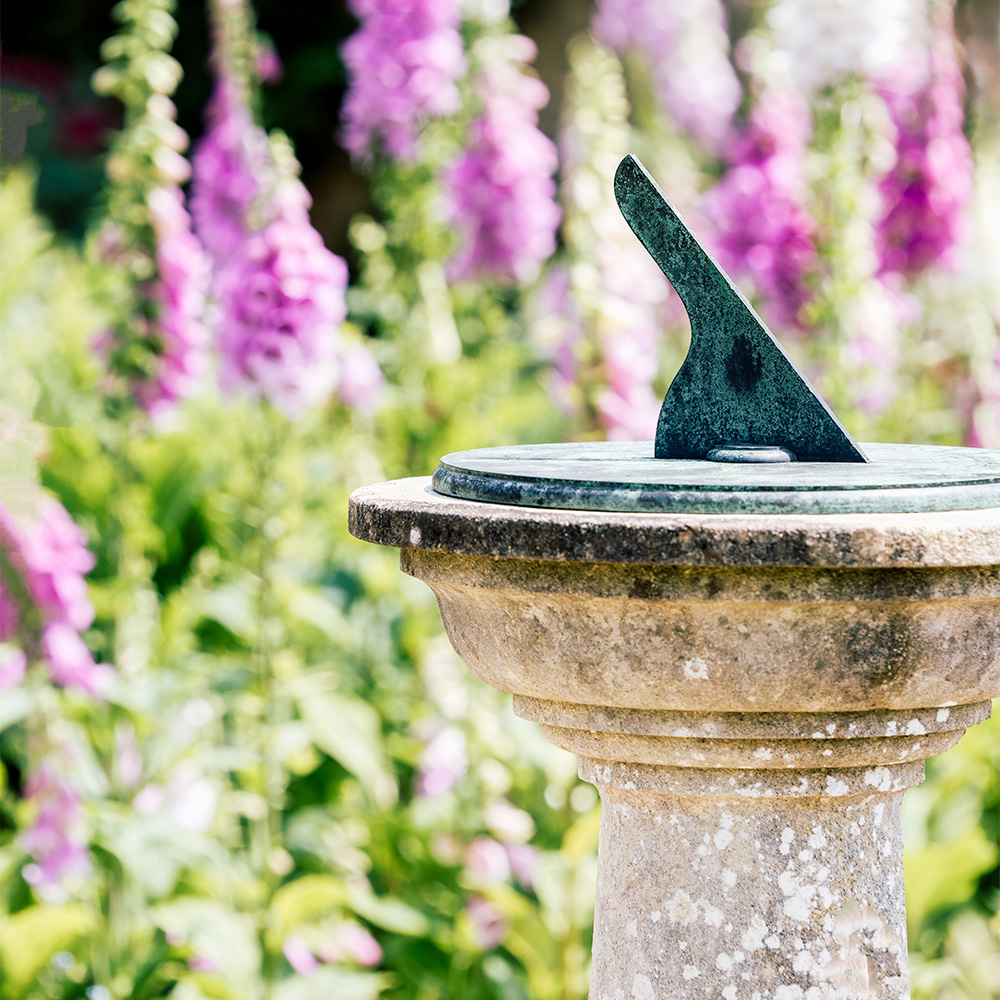
Historically, a cottage garden featured rustic materials including wood and brick within the design. Reflect this tradition by adding an eye-catching obelisk, which will also provide support for your climbing plants. Or place a small bird bath or stone ornaments amongst the flowers to provide additional visual interest and balance your border design.

Embellish

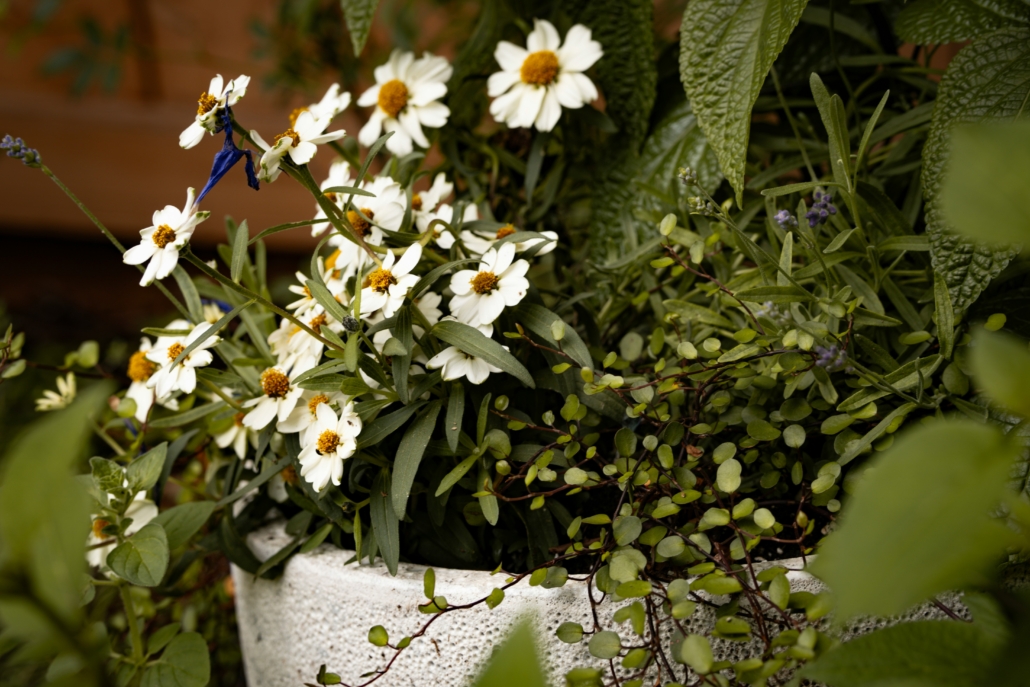
While cottage gardens are mostly about beautiful borders, you can also add containers and hanging baskets to give extra depth. Plant these up in a similarly informal design. Trailing flowers such as fuchsias, begonia, petunias and verbena will enhance the relaxed look.

Essential Cottage Garden plants

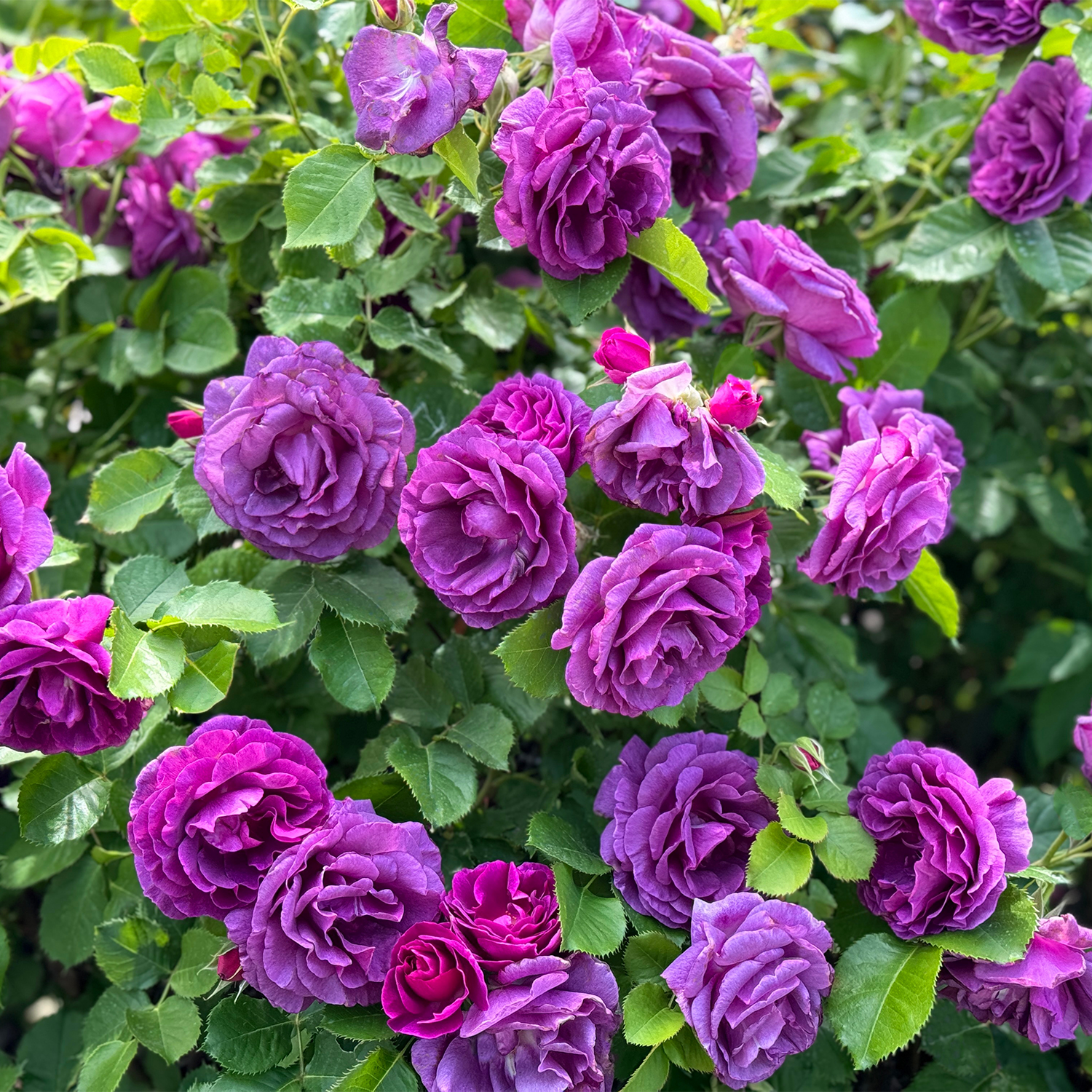
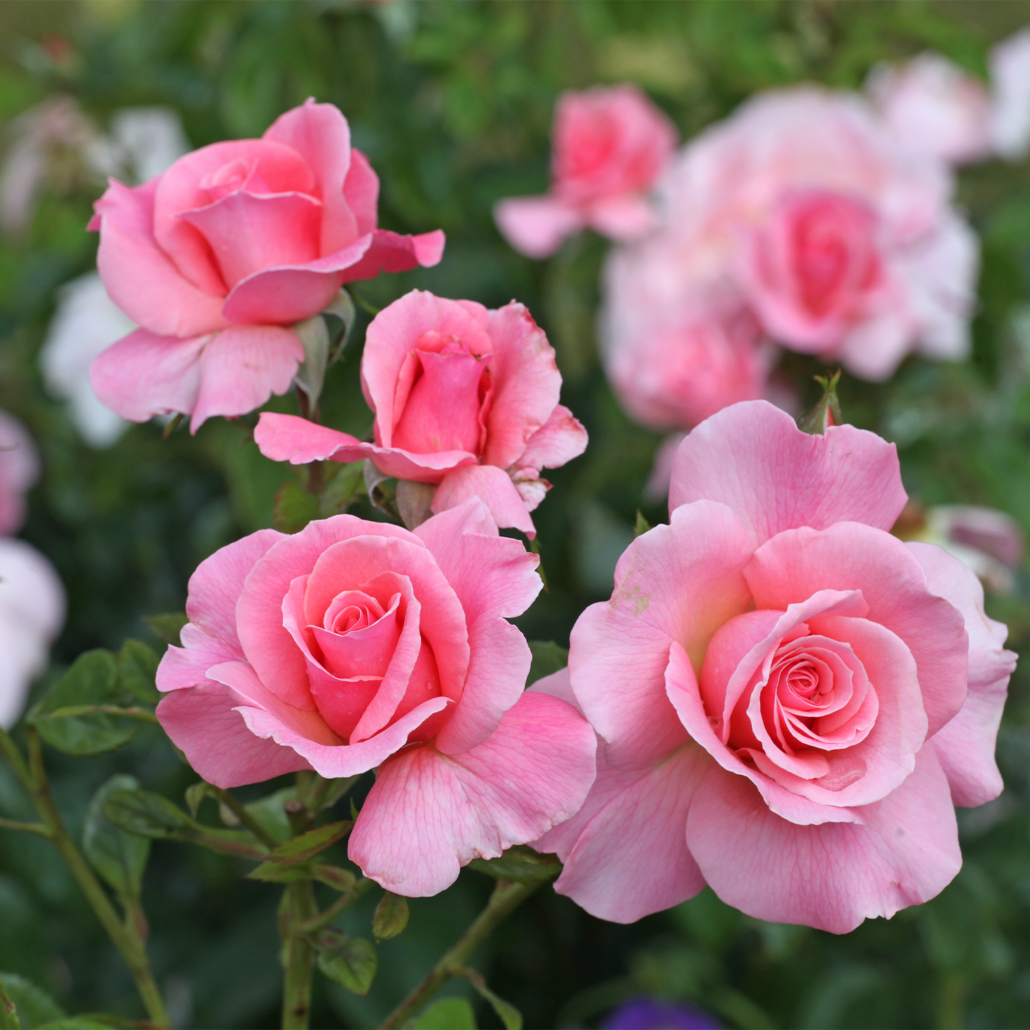
Climbers and roses: including climbing roses, clematis and honeysuckle.

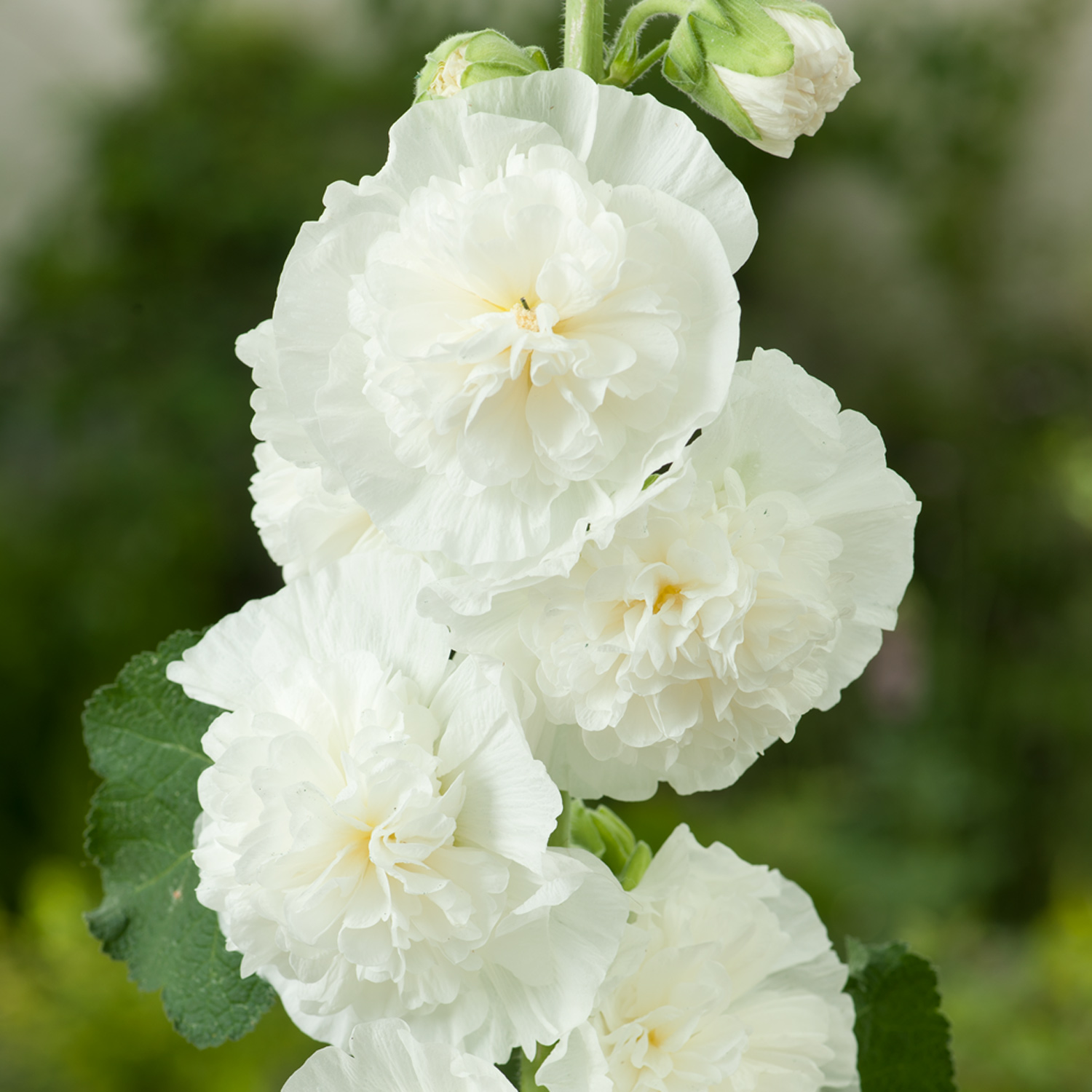
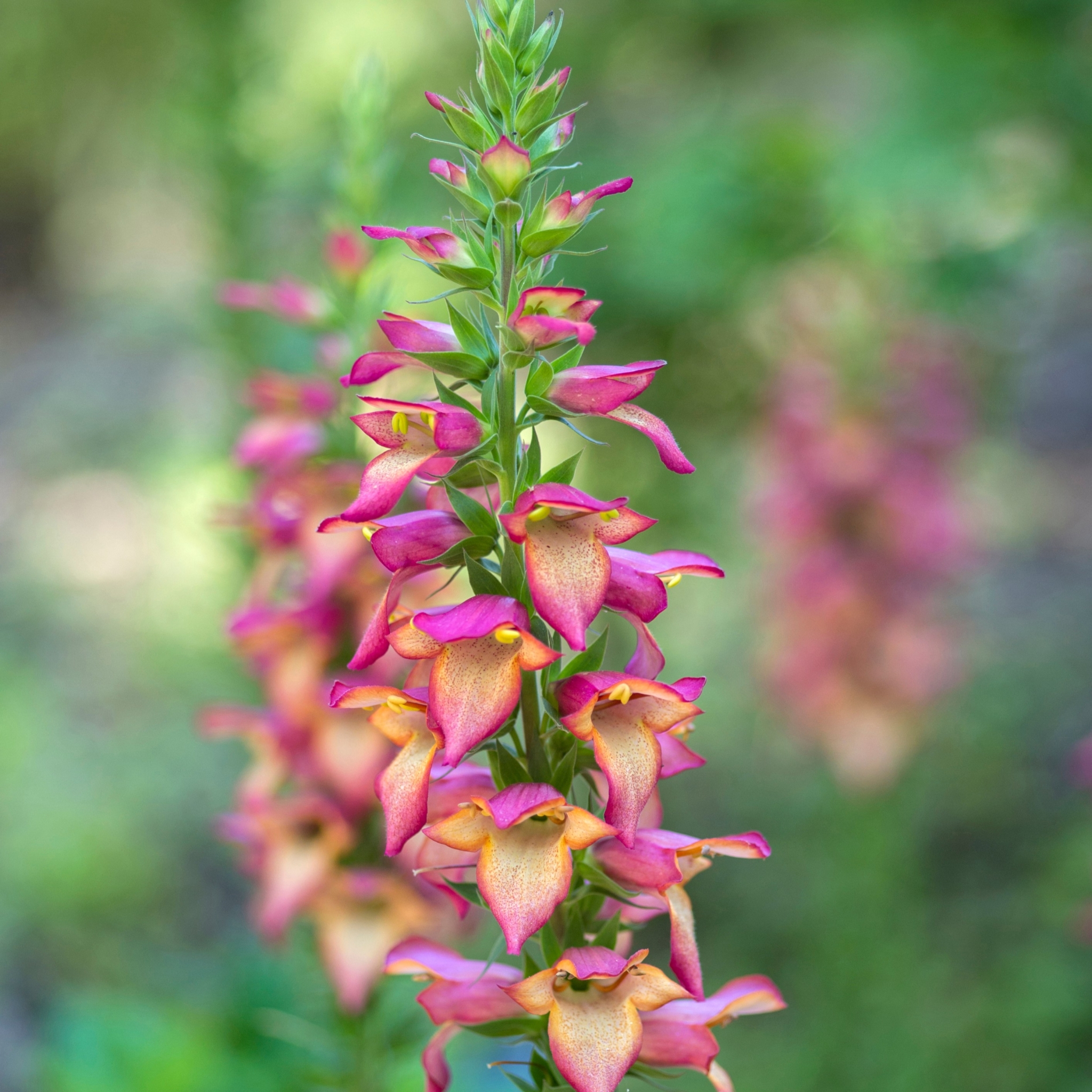
Tall spikes: favourites are foxgloves (Digitalis), hollyhocks and delphiniums.

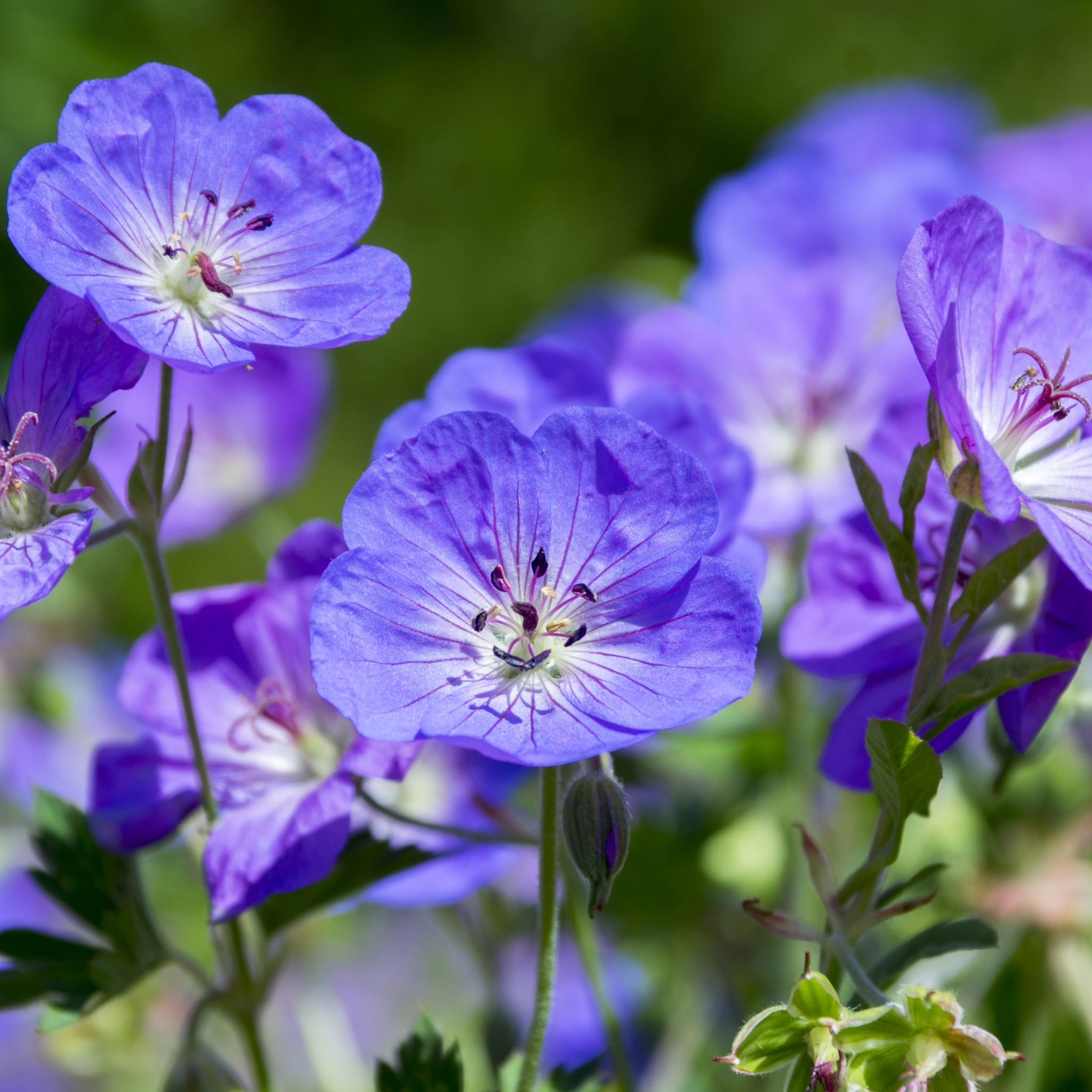
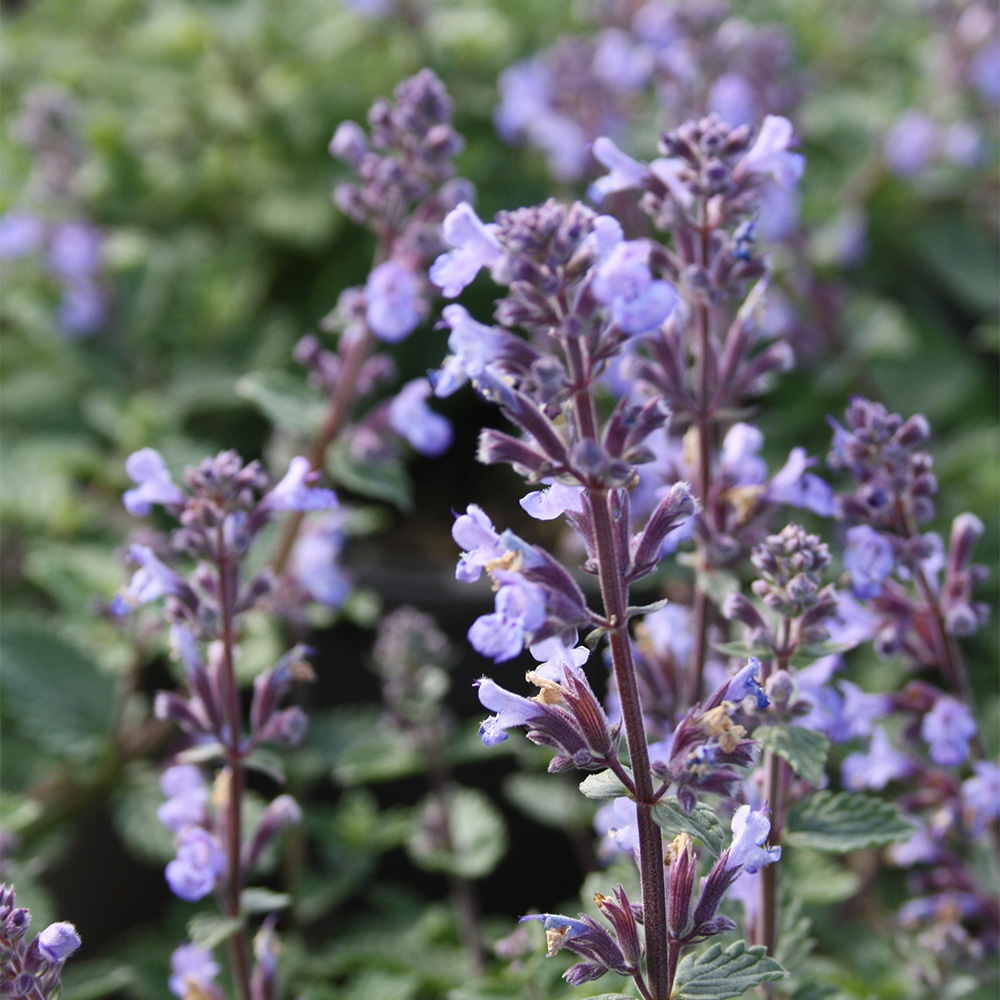
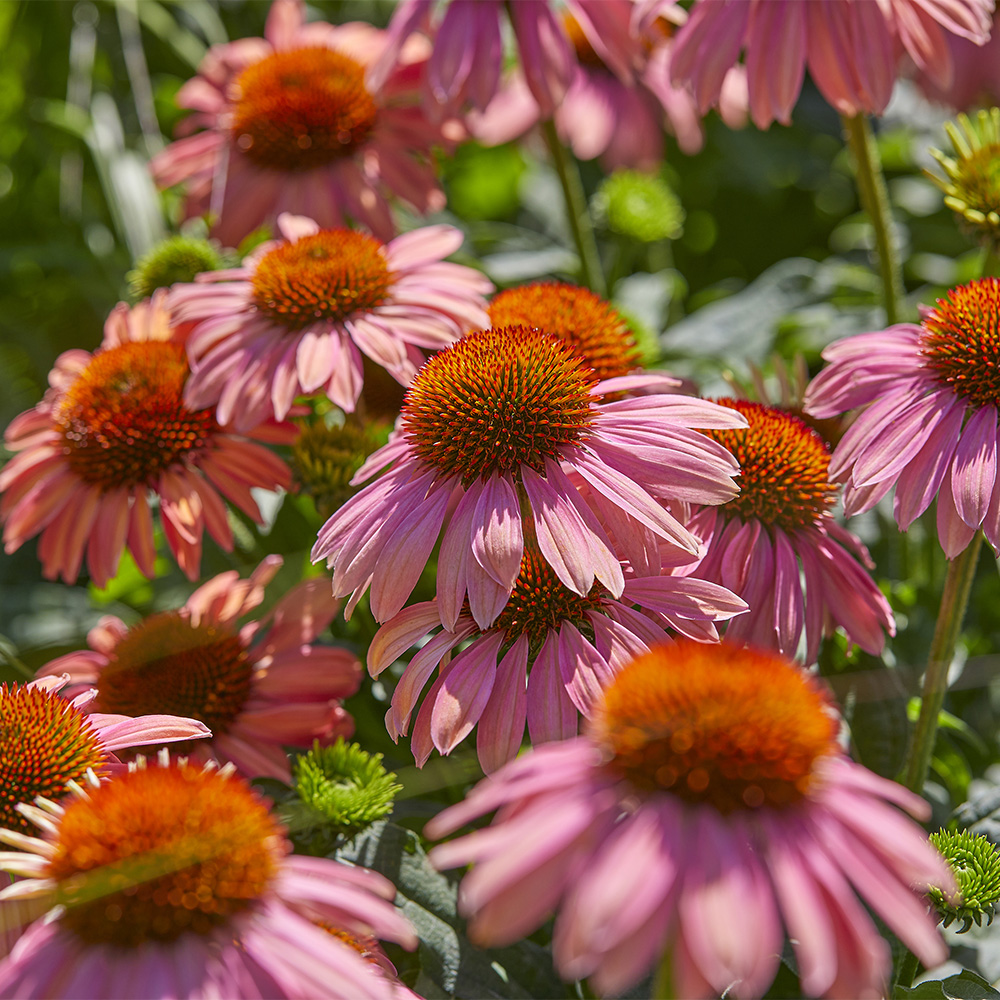
Fillers and perennials: selections include hardy geraniums, salvia, phlox, lupins, echinacea, leucanthemum, nepeta.

Bedding: spoilt for choice! Begonias, lobelia, petunia, salvia – choose from our ‘Sweet Shop’ bedding plants selection.

Fragrant and edible: take your garden into the kitchen with rosemary, lavender, sage and borage.

How to create the Cottage Garden feel

Informal but structured planting – Plant in layers to create depth, with taller plants at the back and lower growing plants at the front. Add seasonal bedding and bulbs for year-round interest.

Create defined, relaxing spaces – Plant cottage garden borders around seating areas and path ways to create clearly defined, relaxing spaces that invite you to full enjoy your displays.

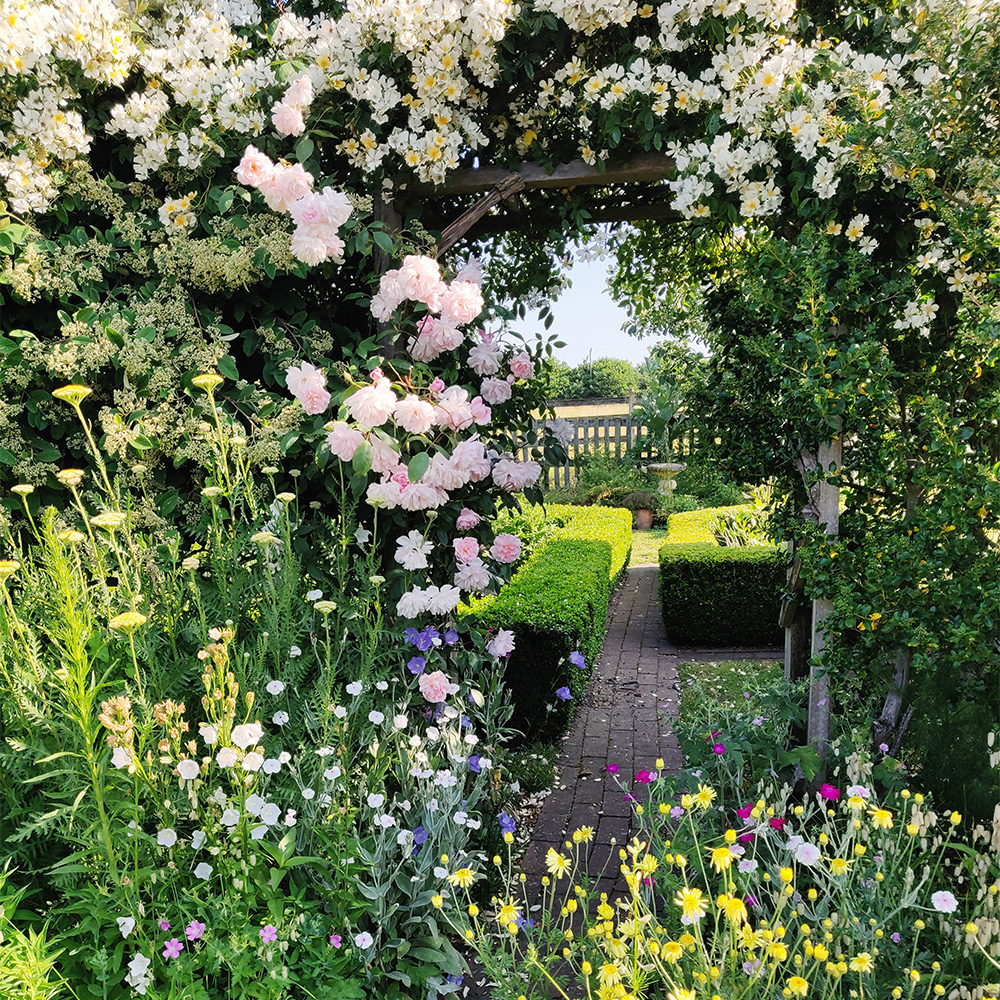
Use structures for height and seclusion – Use archways or pergolas to support climbing plants & add height, creating a secluded garden retreat. Choose simple, timeless designs for a classic look.

The finishing touches – Include elements such as garden ornaments or obelisks to add visual interest and balance. Repurpose metal watering cans and buckets as planters for patios and doorsteps.

Come and experience our Cottage Garden Festival for yourself at your local Otter Garden Centre.

Related News

Newsletter

Sign up to receive our latest insights & news.