Otter’s useful guide to Peppers

Better than shop bought

Peppers bought from a supermarket are usually grown in carefully controlled environments and picked early as they need to be transported.

This can make them less flavoursome.

The crisp, sweet crunch of a homegrown sweet pepper is a true pleasure.

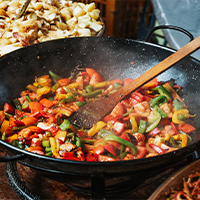
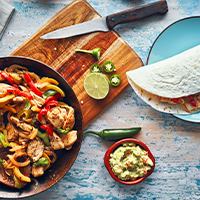
This colourful fruit, which comes in red, yellow, orange, green and sometimes purple, adds flavour and colour to many different dishes.
Different types

The simplest way to grow bell peppers is to start with young plants, which you can transfer into pots, grow bags, or directly into the ground.
There are different types of bell peppers to choose from, including standard, dwarf or mini, and pointed peppers.
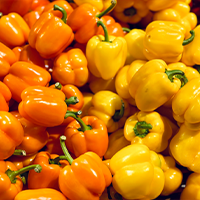
The colours generally indicate the sweetness level:

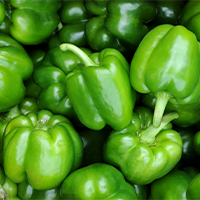
Green Peppers

Harvested before they fully ripen, green peppers can have a slightly more bitter taste but are perfect for cooking.

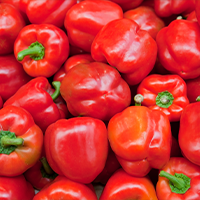
Red Peppers

Often left to ripen longer, red peppers develop a sweeter flavour.

Yellow & Orange Peppers

These fall somewhere between green and red in sweetness and are great for salads and roasting.

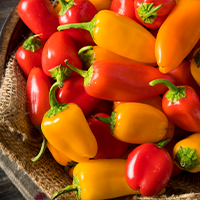
Dwarf/Mini Peppers

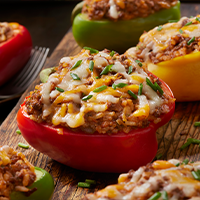
Small and sweet, perfect for snacking and stuffing.

How to grow peppers

Pots and Other Containers

Growing peppers in pots is convenient; if are growing them outdoors you can move the pots to sunny spots as needed or even bring them indoors if there’s a risk of frost.
You may like to try mini pepper varieties in pots as they are easier to move around.
Your pot should be at least 30cm wide and deep to allow the roots to develop. Fill with compost, make a hole for the plant, and place it carefully in the pot.

Grow Bags

Most grow bags can support two or three pepper plants. Loosen the compost before planting by shaking and kneading the bag.
Cut holes as per the instructions and water well.
Make a hole for each plant and carefully place them inside.
For taller growing plants, you will need to add small stakes or canes as the plants grow taller.

In the Ground

You might like to try growing peppers directly in the ground.
The soil needs to be acidic, so dig in some well-rotted manure.
Plant out when the soil is warm and cover young plants with a cloche for protection until the beginning of July (or earlier if the weather is particularly warm).

General advice

Watering

Water the plants regularly, ensuring the compost stays moist but not waterlogged.
Peppers are particularly sensitive to irregular watering, which can cause the fruit to develop thin, wrinkled skins or blossom-end rot.
Water in the morning or evening to reduce evaporation and always water the base of the plant rather than the leaves

Greenhouse

Although they like warmth, peppers don’t thrive in high heat, so keep your greenhouse ventilated in very hot weather.

Supporting Growth

As your pepper plants grow, they may need support.
A small cane or stake will prevent the stems from bending under the weight of the fruit.

Unlike tomatoes, most bell pepper plants don’t require extensive pruning.
However, removing any small shoots at the base of the plant can help focus energy on fruit production.

General Tips

Plant out in a heated greenhouse in late April, unheated greenhouse in mid-May, outdoors in late May/early June. Harden off for two or three weeks before planting outside.

Use high-quality compost with added nutrients to help ensure a healthy crop.

Water well before transplanting.

For outdoor growing, choose the sunniest spot in your garden, as peppers need warmth to thrive.

When removing from the original pot, gently loosen the roots

Feeding

Once flowers appear, you should start feeding your plants with a liquid tomato or vegetable fertiliser every two weeks.
Once the peppers begin to form, switch to weekly feeding to encourage a strong, healthy crop.

Growing from seed

If you want to grow peppers from seed, you’ll need to do this in late winter or early spring, using a heated propagator or by placing seed trays in a warm, sunny spot indoors.
Transplant seedlings into larger pots and move them outdoors when the weather warms up

Things to look out for

Disease and Pests

Blossom-end rot affects not just peppers but also tomatoes and aubergines.
It starts as a dark, sunken patch on the base of the fruit – and is often caused by inconsistent watering.
Keep the compost evenly moist, don’t overwater but avoid letting the compost dry out.

Greenfly, whitefly, and aphids can attack pepper plants.
Use an organic insecticide or remove them by hand.


When to harvest

You should be able to enjoy homegrown peppers from late summer.
Use secateurs to cut the pepper from the stem and leave a short stalk.

Need more advice?

If you’re still unsure or need any advice, our friendly teams will be happy to chat with you and suggest which varieties would be best for you to plant, as well as when and where to plant them.

We hope you enjoy planting your peppers– but more importantly, enjoy eating them!

Related News

Newsletter

Sign up to receive our latest insights & news.