Otter’s useful guide to Pumpkins and Squash

Better than shop bought

Pumpkins (and other squash) can be very rewarding to grow and are fairly easy to grow in your garden.
They’re a great choice to get young children interested in gardening and the growing process, especially pumpkins which they can then harvest and carve for Halloween fun!
Different types

Other squash including butternut and spaghetti are types of pumpkin too – in fact, there are over 150 varieties in the world.
So why not try growing more than one type?

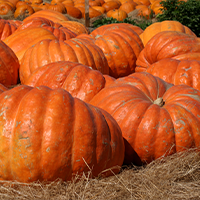
Atlantic Giant

The fruits can vary somewhat from a basic egg shape and exceed 1.8m in diameter.
They have orange skins and bright orange flesh.

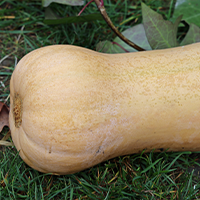
Waltham Butternut Squash

The smooth, pale orange, hard-skinned fruits, are ready to harvest in autumn and can reach around 1.8-2.3kg in weight.
They store well over winter once ripe and have bright, orange flesh, with a sweet, nutty taste.

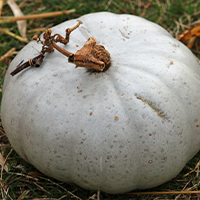
Crown Prince Squash

A winter squash producing large, rounded fruits on trailing vines up to 3m in length.
Fruits generally weigh 2-4kg, have blue-grey skins and bright orange flesh with a sweet, nutty flavour

How to grow pumpkins

Where to grow

Pumpkins love heat! You’ll need a sheltered spot with full sun.
They are also heavy feeders, so the soil will need to be full of nutrients from well-rotted manure or other organic matter.
This will help retain moisture, which pumpkins like plenty of.

Depending on the variety you choose, you’ll need to give each plant plenty of space, between 2 and up to as much as 5 feet.
Add a well of rich compost for the baby plant to sit in, and firm them in gently.
Mark where the centre of the plant is, which helps when you’re watering.

Grow Bags

You can plant pumpkins in grow bags – but choose a larger size and plant one, or if you’ve chosen a smaller variety, two squash per bag.  
If you don’t have much space, you can also try growing pumpkins in a container, vertically up a trellis!
As the vines grow you will need to train them, but once established they will naturally attach themselves to the trellis.
The container should be large, but it doesn’t have to be particularly deep.

General advice

Watering

These are thirsty plants so make sure to keep them well watered, especially if there is a lack of rain.
However, they mustn’t become waterlogged as this might cause them to rot.
As always, there is a balance to be had between underwatering and overwatering.

Housekeeping

Pumpkins and other squash can grow fast!
Peg down any stems that touch the ground to encourage them to root.
Pop a tile under ripening fruit to keep them slightly clear of the soil and avoid rot.
Make sure the fruit have full sun and aren’t shaded by leaves.

General Tips

Plant out when the risk of frost has passed, usually from mid to late May.

Use a cloche to protect young plants from slugs and snails.

Some gardeners like to add straw around the plants to retain moisture even more.

If you’re aiming for large pumpkins, remove some the flowers leaving just two or three.

Feeding

Feed regularly with a potassium rich liquid fertiliser once the fruits appear, every 10 to 14 days.
A tomato fertiliser is ideal.

Growing from seed

Some squash may cross with similar varieties so it is advisable to buy new seeds for the next season.
You can, of course, use the seeds in the kitchen.
Roast them and add to salads and side dishes, use them in bread mixes, for dips, breakfast granola, garnishes, or pumpkin butter.

Things to look out for

Grey Mould

This can occur in damp weather.
It appears as a fluffy growth.
Remove any affected parts of the plant and destroy

Powdery Mildew

If the soil is dry you might see a white powder on the leaves or fruit.
Water well and add more mulch to help water retention.
It can be sensible to remove affected leaves and, if they don’t recover, the fruit.

When to harvest

Pumpkins and other squash should be left to reach their full colour before harvesting.
You can leave them in the ground for quite some time but they will need to be picked before the first frosts.
Pumpkins will last a long time once picked.
A good tip is to expose the fruit to full sun after picking for several days to allow the skin to harden, which will lengthen storage time.

Need more advice?

If you’re still unsure or need any advice, our friendly teams will be happy to chat with you and suggest which varieties would be best for you to plant, as well as when and where to plant them.

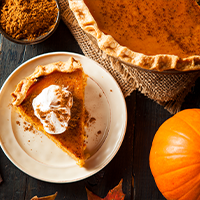
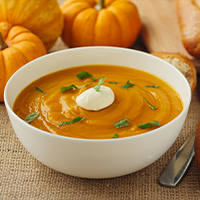
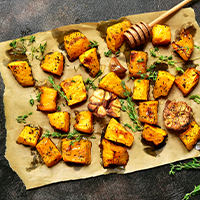
We hope you enjoy planting your pumpkins– but more importantly, enjoy eating them!

Related News

Newsletter

Sign up to receive our latest insights & news.