Otter’s useful guide to Cucumbers

Better than shop bought

Cucumbers aren’t just for sandwiches!
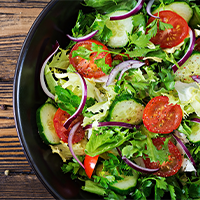
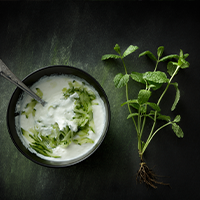
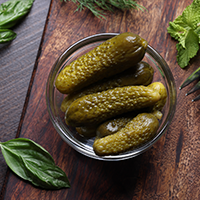
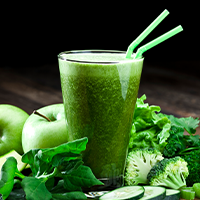
They’re a real treat in salads, soup and summer drinks, and tasty when pickled.
They have a delicate flavour and add a little crunch of texture.
Some say they have health benefits, including antioxidants and hydration.
While they’re readily available in supermarkets, there’s nothing quite like a cucumber fresh from the plant.
Cucumbers are relatively easy to grow – here are some suggestions to help you get started
Different types

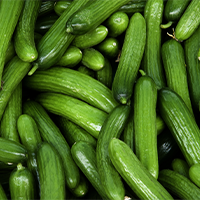
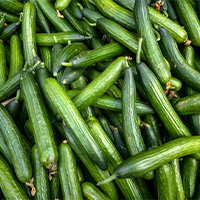
Cucumbers have two generic types: indoors and outdoors.
Within that there is quite a choice, which may come as a surprise.
You can mix and match and see which grows best for you.

Cucumber Carmen

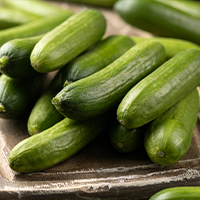
An all-female variety, straight cucumbers growing up to 40cm.
Resistant to powdery mildew.

Cucumber Femspot

All-female, early cropping cucumber producing long, bitter free fruit.

Cucumber Mini Piccolo

As the name suggests, a smaller cucumber!
Minimum care, good crops and again, all-female.

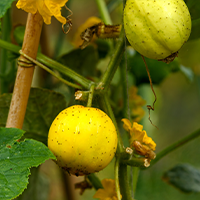
Cucumber Crystal Lemon

Round yellow cucumbers, with a mild, sweet taste.
Good for outdoor growing.

How to grow cucumbers

Where to grow

Cucumbers grow well in different environments, including cold frames, greenhouses or in the garden, in a warm, sunny spot.
Greenhouse-grown cucumbers are likely to produce more fruit for a longer time, while the performance of outside grown cucumbers will depend on the weather conditions.
Many varieties are a trailing plant.
You can either let them trail along the ground or, if you want to save space, up a trellis or bamboo canes.
Cucumbers do well in different soils, but generally grow best in well-drained, rich soil.
It’s a good idea to mulch around the plants to retain moisture.
While they like sun, they can scorch so a spot with a little shade is a good idea

Grow Bags

As the roots are shallow, cucumbers can be grown in grow bags.
Depending on the size of the grow bag you can plant two or three plants (you’ll need around 18/24” between the plants).
Planting instructions: loosen the compost before you start – shake the grow bag and knead out any solid lumps.
Cut out as per the instructions and water well.
Make a hole for each plant and carefully place them in the grow bag.
You can also grow cucumbers in pots and other containers.
This will need to be at least 12” wide and deep, and there must be good drainage, both in terms of compost and container.

General advice

Watering

Don’t overwater as this will damage the plant – you want to keep the soil moist, not wet.
You may need to water more as the plant gets established then cut back to a weekly water.
If you have planted in containers, however, make sure the compost doesn’t dry out

Pinching Out

This is not just for tomatoes!
Pinch out the growing tip of the plant once it has around seven leaves or, if growing vertically, has reached the top of the trellis or canes.
This will help the plant to develop more side shoots and produce more cucumbers.
It also promotes a better fruit set.
In addition, if the plants start flowering when they are rather small, it may be worth removing them so that the energy goes into growing the stems and leaves.

How to Avoid Bitter Cucumbers

Older varieties of cucumber plants produce male and female flowers.
It’s the male flowers that produce bitter fruit, so these will need to be removed.
Male flowers don’t have a bulge – while female flowers do.
To make things simpler you can plant female-only varieties.
Cucumbers can also turn bitter if they are over or under-watered or become scorched.
This is due to plant stress.

General Tips

Plant outdoors when there is no threat of frost, usually May.

For best results when growing outdoors in the ground, your soil should be rich and loamy.

Choose a sunny, sheltered spot.

Loosen the roots gently when you take the plant out of its pot.

Feeding

Cucumber plants need regular feeding.
This should be a high nitrogen feed to start with, usually applied fortnightly.
Once the flowers start appearing, you can change to using a tomato feed weekly.

Growing from seed

Generally seeds are sown in February indoors – although you can sow them into July for a later crop.
The temperature needs to be around 20°C for germination so seeds are started off indoors in a warm spot by the window, or a heated greenhouse.
Pot on when the first pair of leaves show, and if you’re planting them outside rather than the greenhouse, harden the plants off.

Things to look out for

Disease, Pests and Problems!

Diseases include powdery mildew, wilt and cucumber mosaic virus.
Remove infected leaves and if the whole plant is infected, you will need to remove it as quickly as possible.
Some varieties are disease resistant, so you may like to look for these.


Aphids, cucumber beetles, whiteflies and spider mites can all attack a cucumber plant.
If you see these, use your preferred pest-control methods.

Plants may also suffer with wilting or yellowing leaves.
It’s important to ensure drainage is good and water correctly – not too much, not too little!

When to harvest

Cucumbers tend to be fully grown at between 50 and 70 days after planting out.
They are probably at their best when they are six to eight inches long.
If you let them get longer they may lose their sweetness – leave them too late and they may start to taste bitter.

Need more advice?

If you’re still unsure or need any advice, our friendly teams will be happy to chat with you and suggest which varieties would be best for you to plant, as well as when and where to plant them.

We hope you enjoy planting your cucumbers– but more importantly, enjoy eating them!

Related News

Newsletter

Sign up to receive our latest insights & news.