
Grow Your Own Tasty Puddings

Autumn is here, and with it comes the cooler days. You may think that the time for planting has passed, and now is the time to look towards spring, but Autumn is the best time for planting!

If you enjoy gardening and have a sweet tooth, then planting soft fruit bushes and fruit trees in your garden is a perfect choice. Planting these in autumn will reward you with fresh berries and fruits for many summers to come. These fruits can be used as snacks, for breakfast, or turned into jams and preserves. Most importantly, they can be used to make a variety of tasty puddings!

This blog will provide you with some hints and tips on how to choose and grow the best fruit bushes and trees for your garden and needs.


  • Choose a variety that will benefit you the most! Do you prefer sweet or sharp flavours? Do you want a variety that produces high yields of fruits or one that crops for longer?
  • Always consider the location of your soft fruit bushes. Most soft fruits like a sunny spot that is sheltered from winds, and protected from late frosts.
  • If you have limited space, consider compact varieties that can be grown in containers.
  • The best time to plant is late autumn into winter when the soil still retains some warmth from the summer.
  • When planting, add mulch or other organic matter (such as manure) and re-apply each year. Make sure to use high-potassium feeds such as Fish, Blood & Bone or Vitax Q4.
  • During the first growing season, make sure to water your bushes regularly, particularly during dry weather.
  • Bushes will need to be pruned annually to keep them neat and encourage strong crops
  • Birds and other wildlife are particularly fond of berries and other soft fruits, so you may need to use netting or fruit cages to protect your crops.

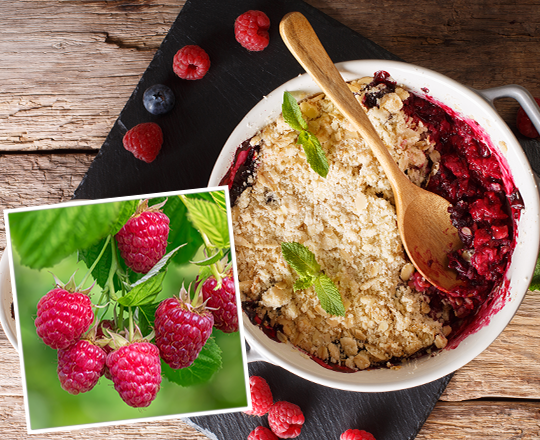
Small, bright pink-red berries packed full of sweet flavour!

There are two main categories of raspberries: Autumn fruiting and Summer fruiting.

Autumn varieties (‘Autumn Bliss’, ‘Polka’) require very little pruning and minimal support, so are a perfect choice for novices. Summer varieties (‘Tulameen’) require a little more pruning as the fruits grow on canes from previous years. Consider growing both varieties as this will provide you with delicious fruits from early summer right through to the first frosts.

The sweet taste of Raspberries makes them perfect for a jam, decorating the top of a cake or baking into puddings such as Raspberry crumble!

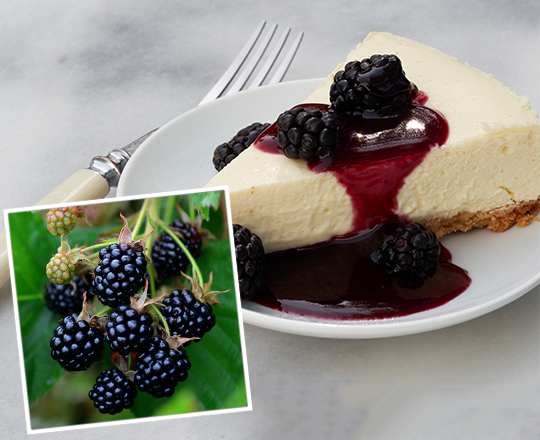
Juicy berries with delicious tangy flavour!

The raspberry’s tangy sibling, Blackberries provide fruit from mid-Summer to early-Autumn.

These bushes don’t require a huge amount of maintenance but will need to be pruned annually after fruiting. Remove any old fruited stems to the base to stimulate new growth.

Blackberries can sometimes be sweet, but often have a more tangy or tart flavour, making them the perfect choice for cheesecakes or mixed berry desserts.

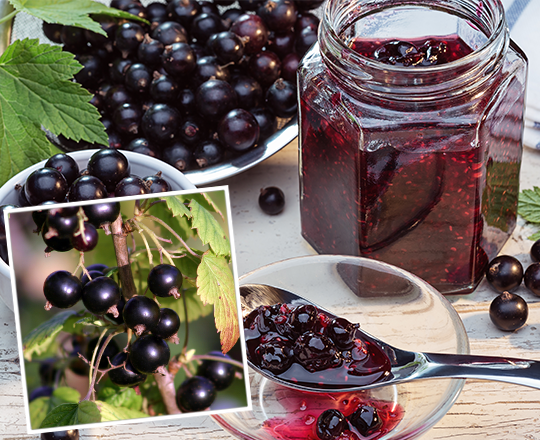
Bold berries with a tangy flavour!

Blackcurrants provide fruit during the summer months. Some varieties may fruit earlier than others, so plant a few varieties to get fruit all summer long.

Compact varieties can be planted in containers, but Blackcurrants perform best when planted in the ground. During the first three years, the level of pruning will depend on how strong the growth is. Once established, blackberry bushes should be pruned every winter by removing the oldest, least productive stems. This will encourage new growth and improve crops.

The sharp, tangy flavour of Blackcurrants works great for jams and sauces served with puddings.

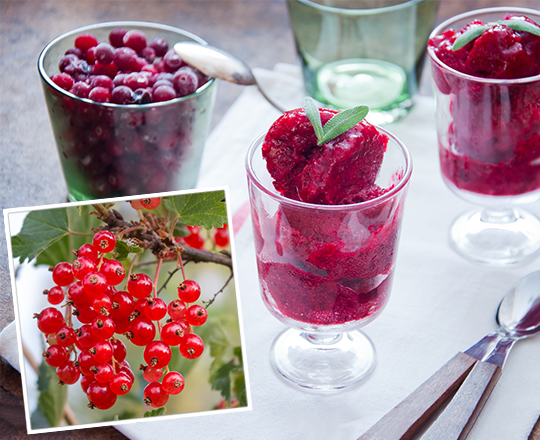
Bright, small berries with a semi-sweet, tangy taste!

The semi-sweet, tangy flavour of Redcurrants has made them a popular accompaniment for savoury dishes over the years, but they are also a great option for desserts. Plus, they are packed full of Vitamin C!

Redcurrants provide fruit during the summer months and require a little more pruning than some other soft fruits. Fruit will grow on old shoots and the base of new ones, so make sure to prune twice a year in summer and winter to maintain a good shape.

Redcurrants can be easily frozen to store for later, and this makes them a great choice for making sorbets and ice creams: perfect on a warm summer day!

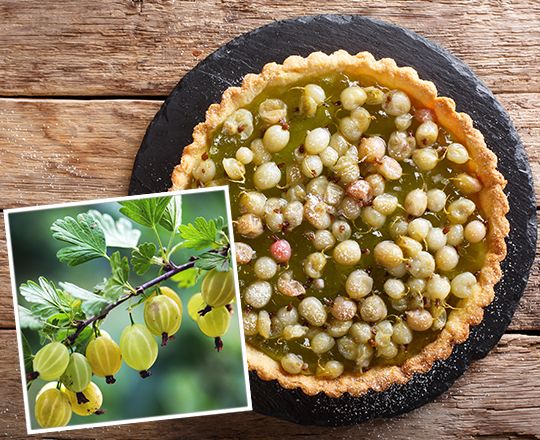
A popular British fruit with both sweet and tangy varieties!

There are a number of Gooseberry varieties that fruit throughout the summer. Early summer varieties feature bright green fruits with tangy flavour, whilst late summer varieties often have red or yellow colour fruits with a much sweeter taste.

To keep a good shape, and maximise your harvests, prune the bushes twice a year in summer and winter.

With a mix of flavours across varieties, Gooseberries are a versatile fruit and are great for use in ice creams or pies.

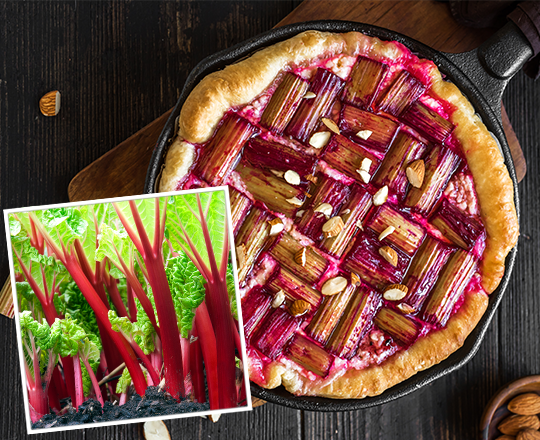
Not a fruit, a vegetable! A popular British dessert favourite!

Whilst Rhubarb is not a fruit, it is still a staple ingredient in many popular desserts. Rhubarb features a sweet flavour, the level of which depends on the age of the stems.

Rhubarb is traditionally picked in spring but can be forced to provide a crop in early winter. This is done through the use of rhubarb forcers: terracotta pots that sit over the crowns to provide the perfect growing conditions. To keep the crown strong, avoid harvesting in the first year of growth. When harvesting, always make sure to pull out the stems, rather than cut away from the crown.

Never eat the leaves, as these are poisonous. Instead, let them go over in the autumn and add them to your compost heap.

Rhubarb can be simply cooked and served with custard, but can also be baked into tarts, pies and many other desserts.

  • Consider your space before choosing a tree:
    • To pollinate, many varieties will need a second variety nearby that flowers at the same time. If space is limited, consider a self-fertile variety.
    • Check the rootstock. This will determine if your chosen tree is free-standing (requiring open space), suitable for training against a wall, or is a dwarf tree suitable for planting in containers.
  • Most fruit trees will need an area with full sun, but some varieties may tolerate partial shade. Avoid areas that are prone to frost.
  • Water regularly during the first growing season. Established trees will need watering during dry weather.
  • Add some mulch at the base of your tree during the spring. Make sure to leave some space around the trunk of the tree to avoid rotting.
  • In spring use a high potassium feed such as Fish, Blood and Bone or Vitax Q4.
  • Prune trees annually to ensure good shape and encourage new, strong growth.

Perfectly suited to the UK climate, with sweet and sour flavours!

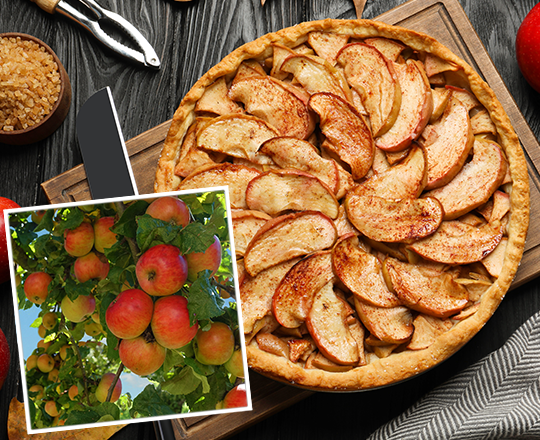
Who doesn’t love Apples? Apples are a great, versatile fruit that is the perfect addition to a pudding.

Apples come in either cooking or dessert varieties with varying sweet or sour flavours. The cropping times will also vary depending on the variety you choose. Apples are best picked as they ripen and can be eaten straight away. If you have any on higher branches that can’t easily be reached, consider using a long-handled apple picker.

Cooking apple varieties are the best for desserts. Popular varieties such as Granny Smith have long been considered the best for apple pies.

A close relative to Apples that is packed full of flavour!

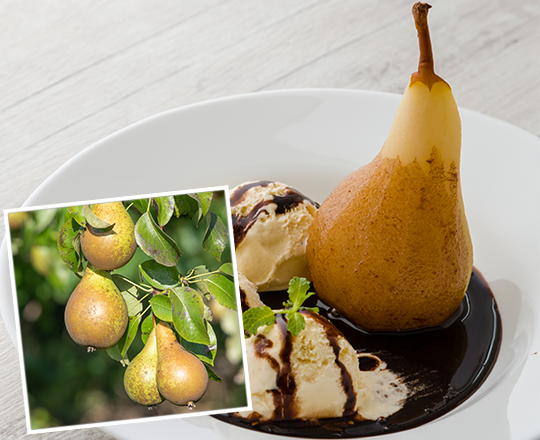
Pears are another fruit that grows really well in the UK. There are thousands of varieties of pears, but only a handful are sold in our supermarkets.

When harvesting, make sure to pick Pears just before they are fully ripe. Once picked, leave them in a cool dark place to ripen further and maximise the flavour.

The flavour notes of pears can vary from sweet through to tangy, and sometimes even spicy! These varying flavours make them a great option for poaching and serving with sauces such as salted caramel, chocolate or red wine.

Tangy skin with sweet-tasting fruit!

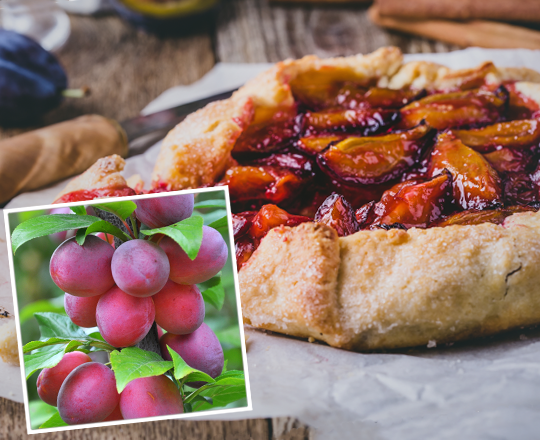
Plum trees are amongst the earliest fruit trees to flower, providing a showcase of white or pink blooms. The fruits are incredibly juicy, and provide both a sweet and tangy flavour when eaten with the skin on. Some varieties may even lean more towards a sour taste.

To get the best flavour, it’s best to leave plums on the tree to ripen further. Once harvested, eat fresh or de-stone and freeze the fruit for later.

With their distinctive flavour, plums are perfect for use in jams, but even better in puddings such as a Rustic Plum Tart.

Glossy red fruits with sweet and sour varieties!

There are two categories of Cherries: Sweet cherries are perfect for eating fresh and Acid cherries are perfect for cooking. Cherry trees are also known for having some of the most beautiful spring blooms. If you only have a small garden, an acid cherry variety is a great choice as they are all self-fertile.

Cherries are often loved by birds, so make sure to protect your trees with netting or a fruit cage.

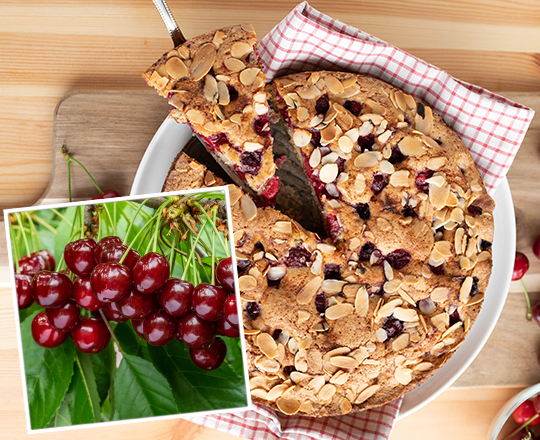
Once picked, sweet cherries can be eaten straight away, or kept in the fridge for up to a week. Acid cherries are too sour to be eaten raw but can be sweetened and cooked into pies, puddings and preserves. Why not try homegrown cherries in a cherry and almond cake?

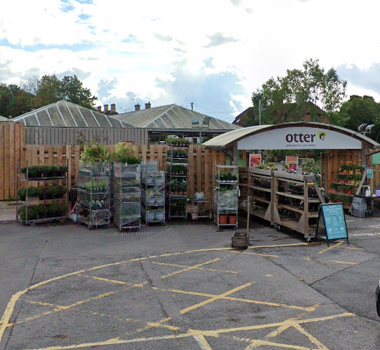
Visit your nearest Otter Garden Centre to see our range of soft fruits and fruit trees, and to get more helpful tips from our experts!

Related News

Newsletter

Sign up to receive our latest insights & news.