Gardening through a hosepipe ban

With hosepipe restrictions now in place across parts of the South West, many gardeners will be wondering how to keep their plants healthy while using less water.

The good news is that a few simple changes to your gardening routine can make a real difference. By watering more efficiently and focusing on the plants that need it most, your garden can continue to flourish even during dry spells.

You can check if you’re affected by this by inputting your postcode on South West Water’s website: Hosepipe ban | South West Water

Exceptions

Gardeners who are affected should note the exceptions to hosepipe use. These include:

  • Trees, hedges and saplings planted within the last planting season, where watering with a watering can is not feasible
  • Turf that has been laid within the last 28 days
  • Newly-bought plants for the first 14 days after purchase
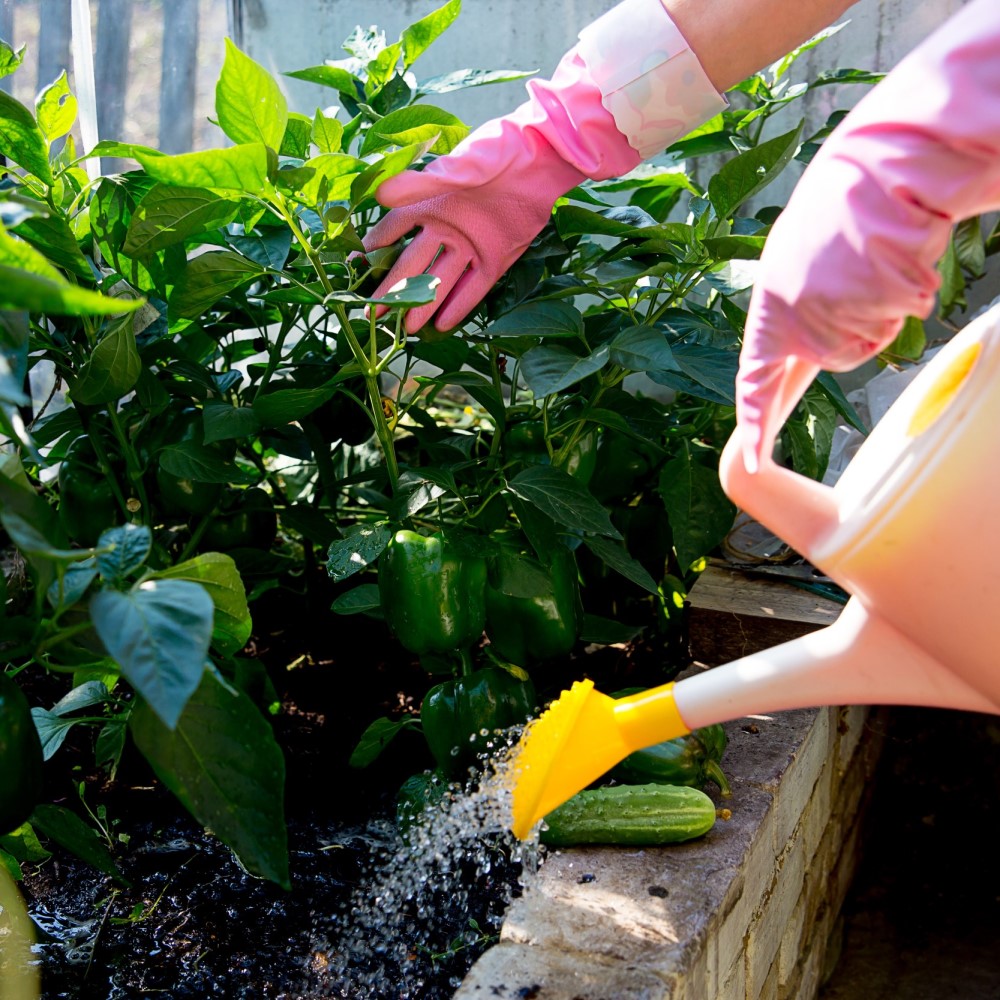
  • Food crops grown at home or at a private allotment, where using a watering can is not feasible
  • Using an irrigation system that drips or trickles, with a time and pressure-reducing valve and that deliver water directly to soil.

Water wisely

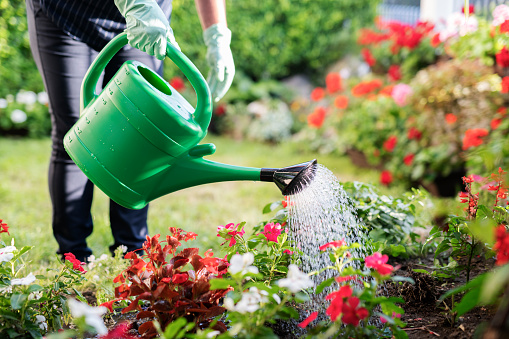
If you’re relying on a watering can, make every drop count. Water early in the morning or later in the evening when temperatures are cooler, reducing evaporation and allowing moisture to soak into the soil.

Rather than giving plants a light sprinkle every day, water thoroughly less often. This encourages roots to grow deeper into the soil, making plants more resilient during hot weather.

Prioritise the plants that need it most

Established trees, shrubs and lawns are generally more tolerant of dry conditions than you might think. Instead, concentrate your efforts on:

  • Newly planted trees and shrubs
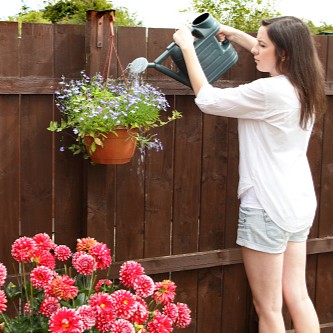
  • Hanging baskets and containers
  • Vegetable gardens
  • Young bedding plants
  • Greenhouse plants

If your lawn turns brown, don’t panic. Grass naturally goes dormant during prolonged dry weather and usually recovers once rainfall returns.
Reuse household water

Grey water from your home can be a useful short-term solution. Water collected from washing up bowls, baths or showers can be used on ornamental borders and established plants, provided it hasn’t contained harsh chemicals or bleach.

However, it’s best to avoid using grey water on fruit, vegetables and other edible crops, as it isn’t considered suitable for food-growing areas.

Mulch to lock in moisture

Applying a layer of compost, bark or well-rotted organic matter around plants helps the soil retain moisture, keeps roots cooler and reduces evaporation. Mulching also helps suppress weeds, which would otherwise compete with your plants for valuable water.

Weed regularly

Keeping on top of weeds is one of the easiest ways to conserve water. Every weed removed leaves more moisture available for the plants you actually want to grow.

Give pots extra attention

Plants grown in containers dry out much faster than those in the ground. Group pots together where possible to create a cooler, more humid microclimate, and move containers into light shade during the hottest part of the day if they are beginning to struggle.

Adding a saucer beneath pots can also help retain moisture, although avoid leaving plants sitting in water for prolonged periods.

Collect rainwater whenever you can

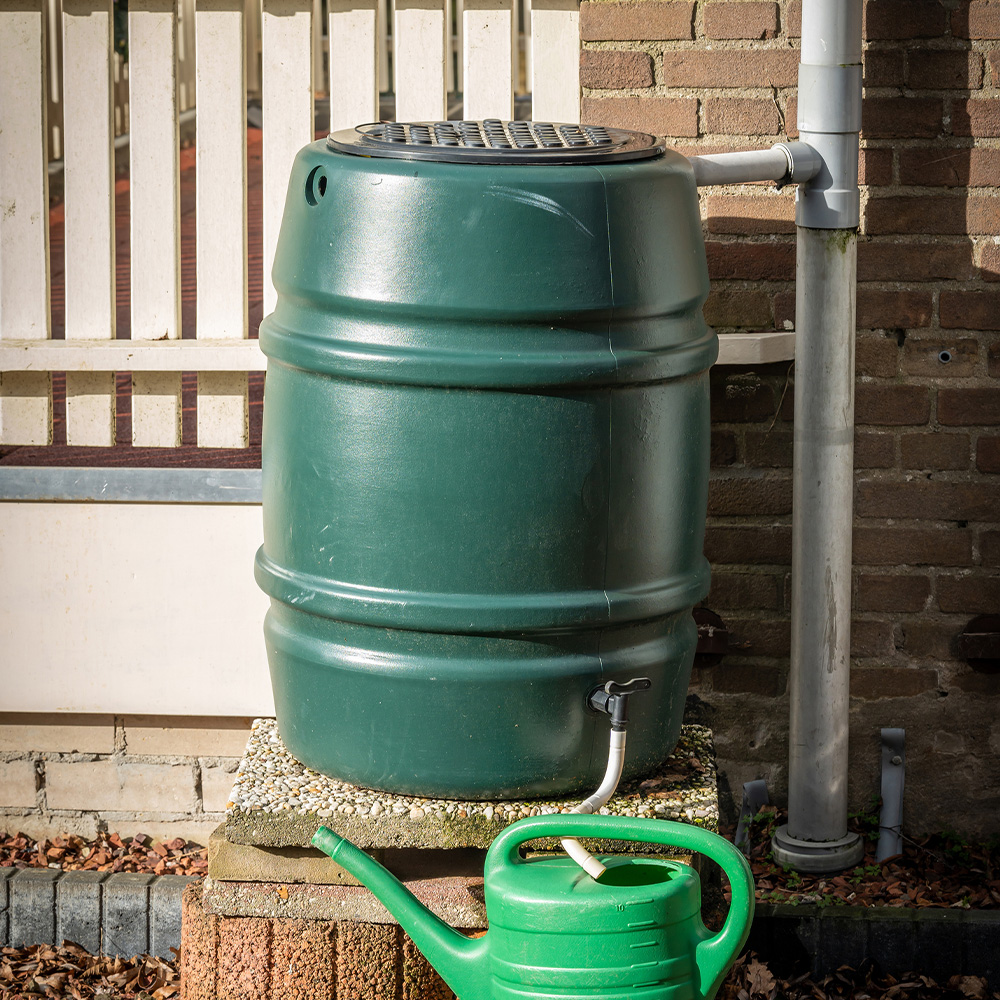
Although existing water butts may empty quickly during dry weather, any rainfall is worth capturing. Keeping water butts connected and ready means you’ll be able to make the most of the next shower.

Choose drought-tolerant plants

If you’re planning new planting this summer or autumn, consider varieties that naturally cope well with drier conditions. Mediterranean herbs such as lavender, rosemary and thyme, along with plants like sedum, verbena and salvias, can all provide colour while requiring less watering once established.

A hosepipe ban doesn’t have to mean the end of a beautiful garden. By watering thoughtfully, reducing waste and helping plants become more resilient, you can continue to enjoy your outdoor space while doing your bit to conserve one of our most precious resources.

If you’re unsure which drought-tolerant plants to choose or need advice on watering and plant care during the restrictions, pop into your local Otter Garden Centre where our knowledgeable team will be happy to help.

Newsletter

Sign up to receive our latest insights & news.