
Grow Your Own Pizza Toppings

There’s nothing tastier than homegrown produce!

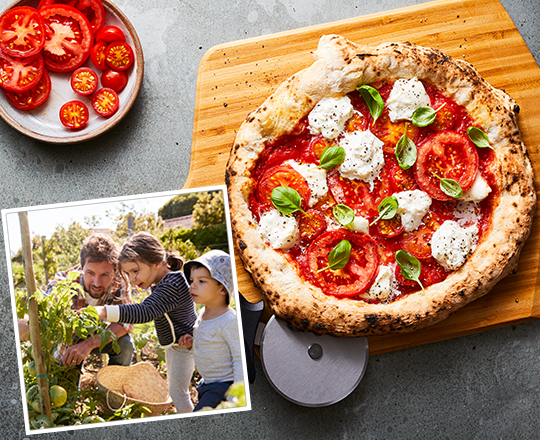
Most kids (and adults) love pizzas, and they’ll love growing and picking their own ingredients to help make them.

It’s really exciting to plant, nurture and harvest fruits and veggies and then use them to make the food you eat. We can’t think of a better place to start than with grow your own pizza toppings!

There are loads of herbs and vegetables that can be easily grown in British gardens – juicy tomatoes, plump peppers and fresh herbs, which help make up a tasty topping for this favourite Italian treat.
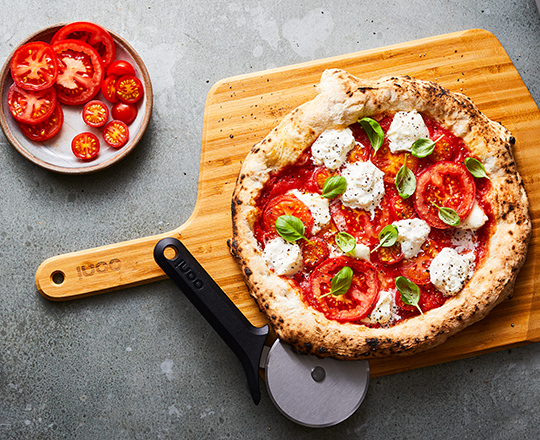
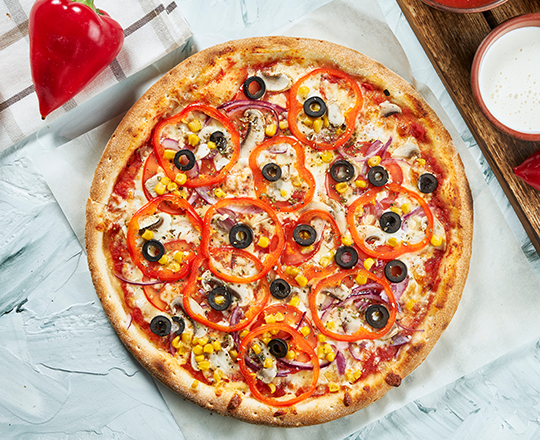
However you eat yours, there are lots of pizza topping options which you can grow at home.

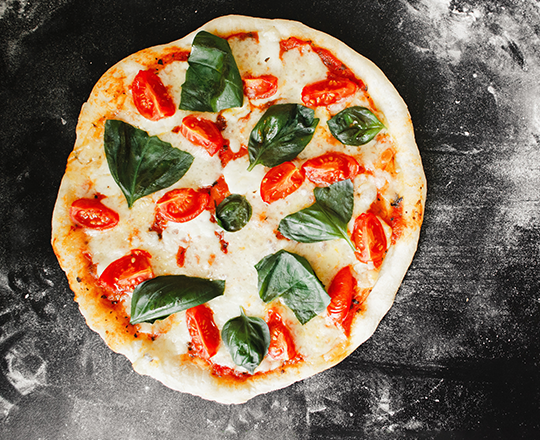
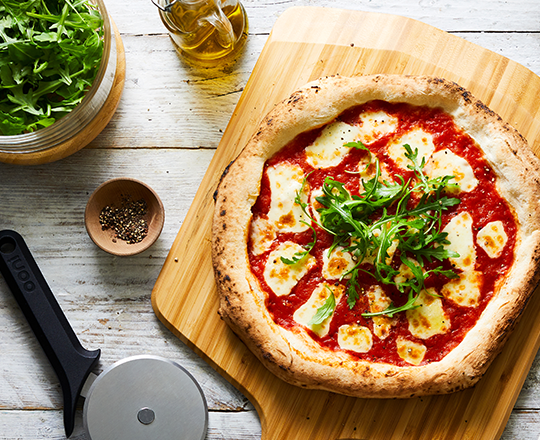
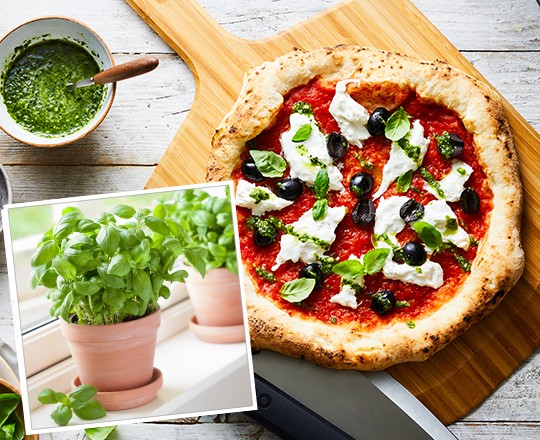
If you love traditional Margherita then a tasty tomato base topped with basil on top makes the perfect homegrown toppings.

You can then add a variety of additional toppings to suit your taste.

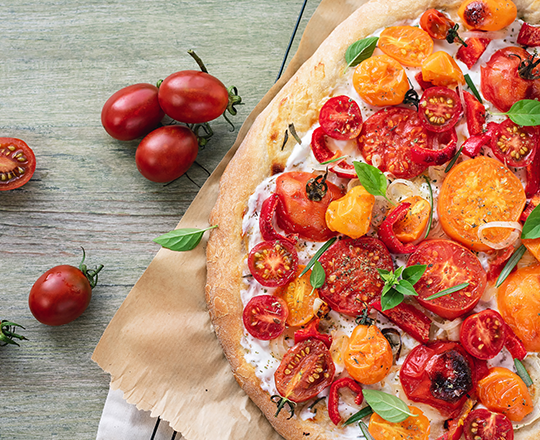
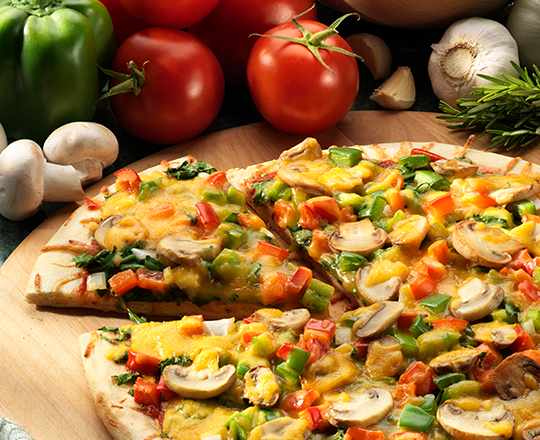
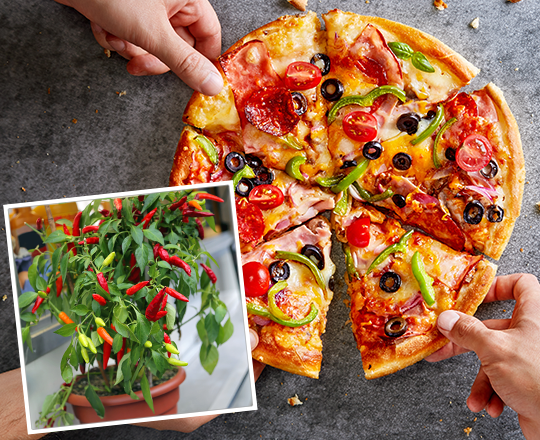
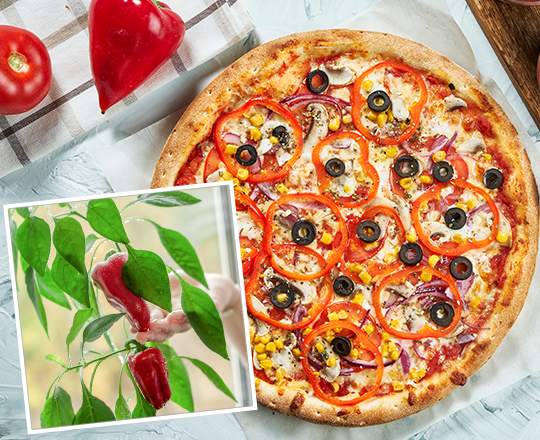
Add some homegrown chillies for a bit of spice or peppers to add a crunchy texture.

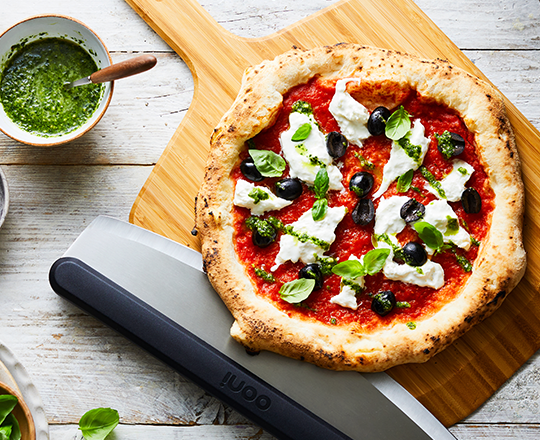
You could use your basil to make pesto to drizzle over the top of your pizza to add a pop of flavour.

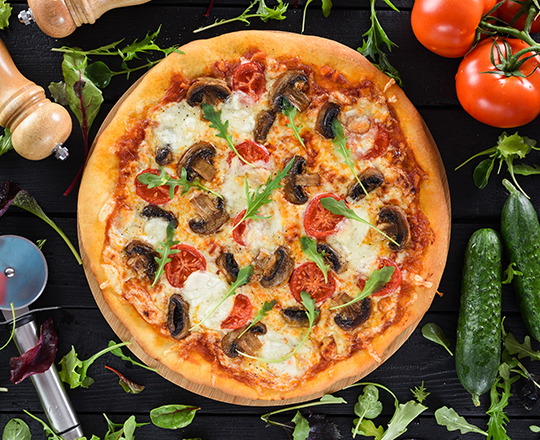
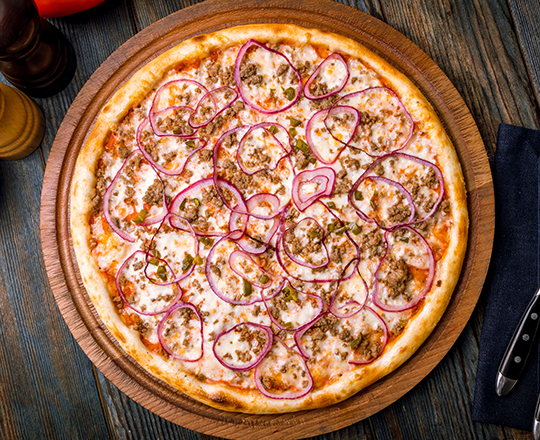
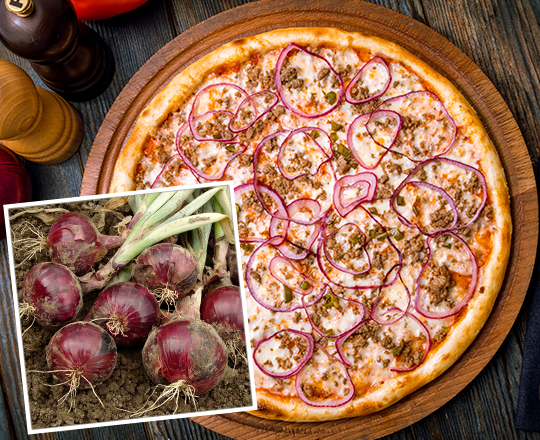
Mushrooms and onions are also a great topping to add which can be grown at home!

Grow Your Own Pizza Toppings! Tomatoes Basil Chillies Peppers Onions

Download our handy guides below or pick up a copy in your local Otter

Sweet, juicy, vine-ripened tomatoes are a delicious addition to loads of pizza recipes.

Whether you’re chopping or roasting for a topping or stirring into a sauce, tomatoes are full of robust flavour – but they have to be treated right, or else they could go mealy, sour, or soggy.

It’s best to use your tomatoes the same day that you’ve picked them or while they are still warm from the sun. This is how you get maximum flavour and deliciousness from your tomatoes.

Tomatoes are quite possibly the most important topping of the pizza, so you’ll want to get these right when growing your own.

One of the main benefits of basil on pizza is its incredible aroma.

Its fragrant aroma and intense flavour will enhance the taste of your pizza. Fresh basil is best sprinkled on the pizza after it comes out of the oven, it adds a lovely freshness and stops it losing its colour and flavour when heated.

There are other ways to enjoy basil on a pizza too. Make it into a delicious green pesto to spoon over your pizza generously or make a basil oil to drizzle
over your pizza once cooked. Either add exciting ways to use your freshly grown basil.

Spice up your pizza with a selection of chillies. Widely used in many cuisines as a spice to add “heat” to dishes they make a great pizza topping.

Just remember the hot flavour increases with the maturity of the chilli fruit and comes from the white pith and seeds inside – how much heat can you handle?

The most common unit of measurement for heat in chilis and peppers is Scoville Scale. With peppers ranging from 0 -2,000,000 SHUs, this scale is exact and great for food production and testing, albeit a bit complicated.

As spicy foods increase in popularity, so do specific flavours. Consumers are not just selecting products based on heat level; now, they prefer specific flavours such as serrano, jalapeno, and habanero.

Because of the vast variability of flavours and heat, chilli peppers can complement almost any dish. For smokiness, add chipotles. For heat, add jalapenos or habaneros; for a sweeter taste, add bell peppers.

Peppers offer a crunchy, satisfying and zingy addition to any pizza. Their great texture, flavour and vibrant colour is a welcome addition to many pizza toppings.

By growing an assortment of varieties you can have mild, meaty peppers, slightly spicy peppers, and hot peppers for bold jolts of flavour.

All sweet peppers come from the species Capsicum annum, which is the same species as most commonly grown chillies. Ultimately, chillies and peppers are grown in the same way, so if you can grow chillies, you should have no problem growing pepper.

As peppers change from green to yellow, orange, or red, both their vitamin content and flavour improve dramatically. People who think they don’t like peppers often change their minds once they have tasted fully ripened, garden-grown peppers.

Whether you like them caramelized or crisped up in the oven, onions make a great pizza topping and a perfect match for nearly every other topping!

Onions are usually grown from sets. Onion sets are small, immature onion bulbs which are in their second year of the onion’s life cycle. This is the easiest and fastest way to grow them, and will produce an earlier crop.

Plants grown from sets are also less likely to be affected by disease. However, they are more prone to bolting (when a flower is produced instead of a bulb).

To really make the most of those homegrown toppings,
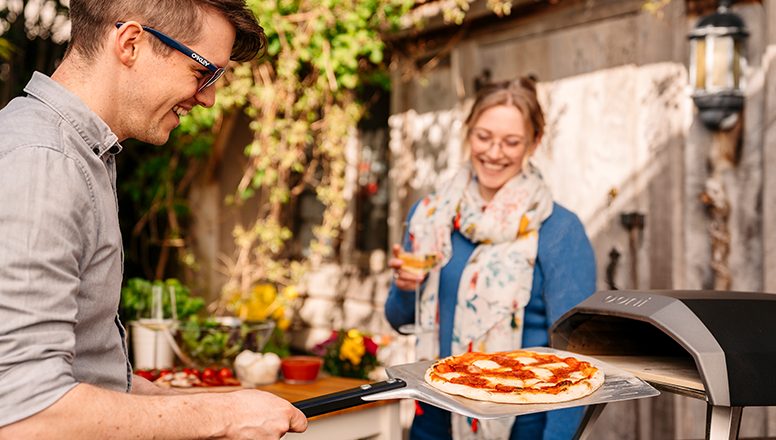
stone bake your pizza with an ooni pizza oven!

From wood-fired flavour to gas-powered consistency to electrified convenience, you can use Ooni portable pizza ovens in the kitchen, backyard or beyond.

Ooni pizza ovens are on sale at our Ottery St Mary, Plymouth, Jack’s Patch (Bishopsteignton), Wincanton and Lymington garden centres.

Join us for our upcoming events…

Newsletter

Sign up to receive our latest insights & news.