
With hosepipe restrictions now in place across parts of the South West, many gardeners will be wondering how to keep their plants healthy while using less water.
The good news is that a few simple changes to your gardening routine can make a real difference. By watering more efficiently and focusing on the plants that need it most, your garden can continue to flourish even during dry spells.
You can check if you’re affected by this by inputting your postcode on South West Water’s website: Hosepipe ban | South West Water
Exceptions
Gardeners who are affected should note the exceptions to hosepipe use. These include:
- Trees, hedges and saplings planted within the last planting season, where watering with a watering can is not feasible
- Turf that has been laid within the last 28 days
- Newly-bought plants for the first 14 days after purchase
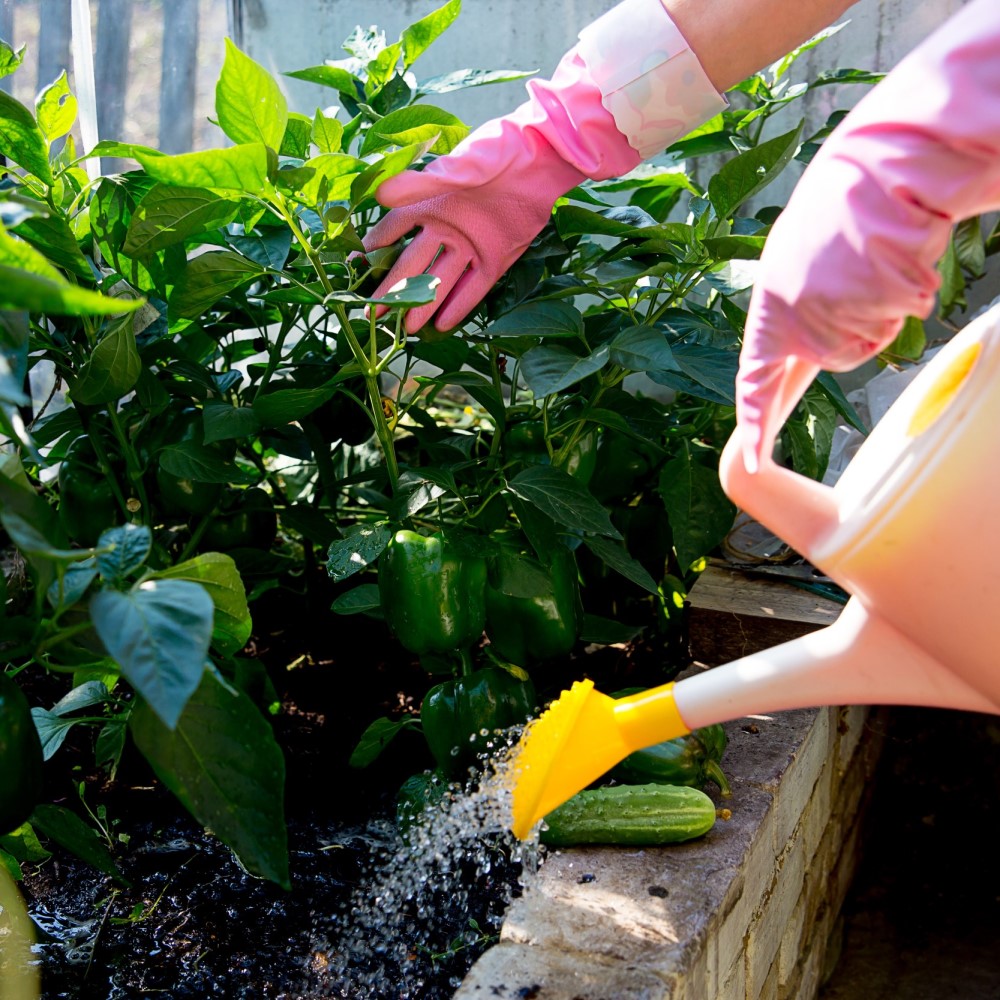
- Food crops grown at home or at a private allotment, where using a watering can is not feasible
- Using an irrigation system that drips or trickles, with a time and pressure-reducing valve and that deliver water directly to soil.
Water wisely
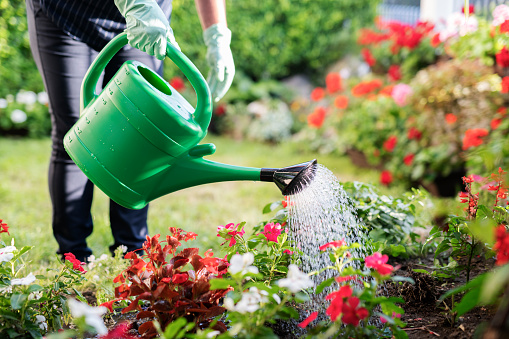
If you’re relying on a watering can, make every drop count. Water early in the morning or later in the evening when temperatures are cooler, reducing evaporation and allowing moisture to soak into the soil.
Rather than giving plants a light sprinkle every day, water thoroughly less often. This encourages roots to grow deeper into the soil, making plants more resilient during hot weather.
Prioritise the plants that need it most
Established trees, shrubs and lawns are generally more tolerant of dry conditions than you might think. Instead, concentrate your efforts on:
- Newly planted trees and shrubs
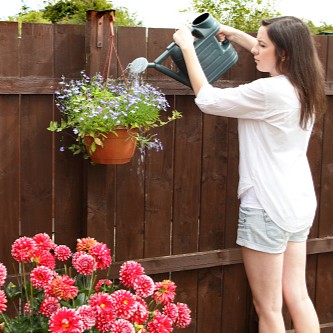
- Hanging baskets and containers
- Vegetable gardens
- Young bedding plants
- Greenhouse plants
If your lawn turns brown, don’t panic. Grass naturally goes dormant during prolonged dry weather and usually recovers once rainfall returns.
 Facebook
 YouTube
 Instagram