
As part of our Agapanthus Festival, we have put together this guide to growing Agapanthus. We hope you find it helpful to get the very best from your plants.
When you’re adding Agapanthus to your garden there are a few things to consider.
As part of our Agapanthus Festival, we have put together this guide to growing Agapanthus. We hope you find it helpful to get the very best from your plants.
When you’re adding Agapanthus to your garden there are a few things to consider.
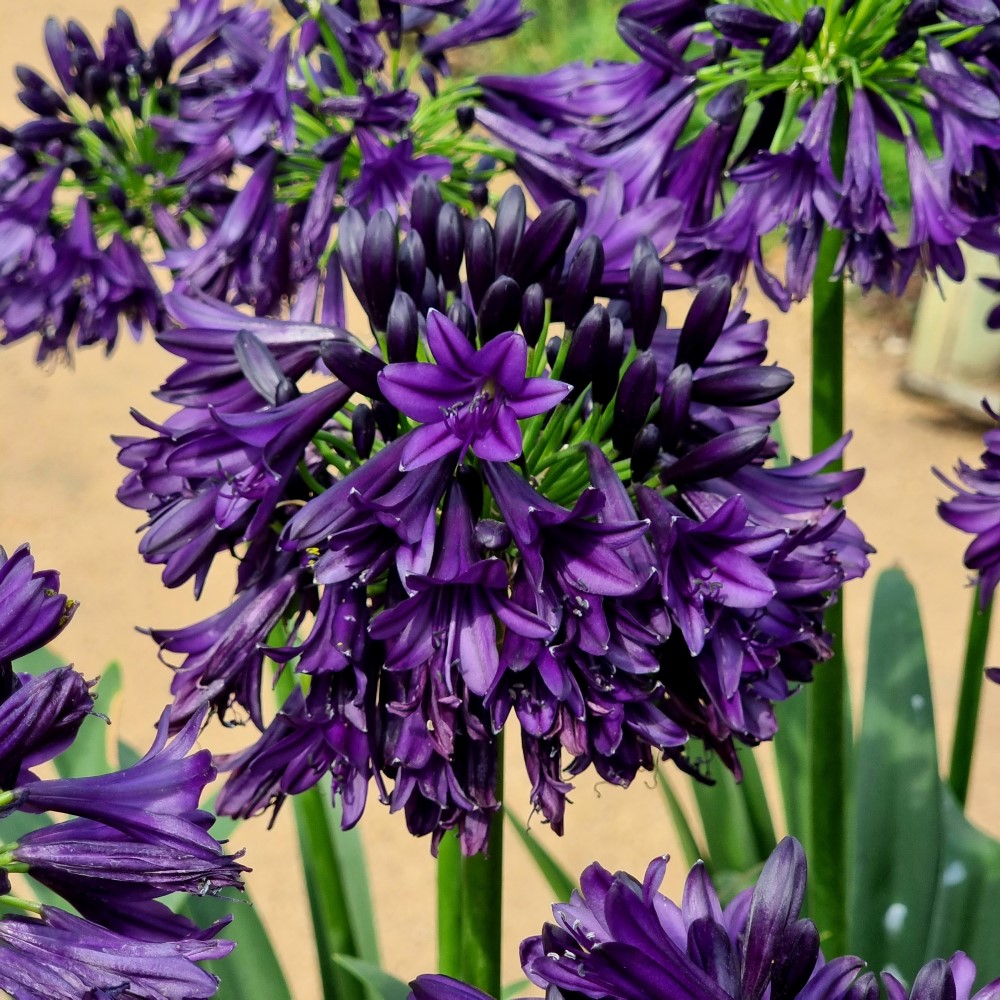
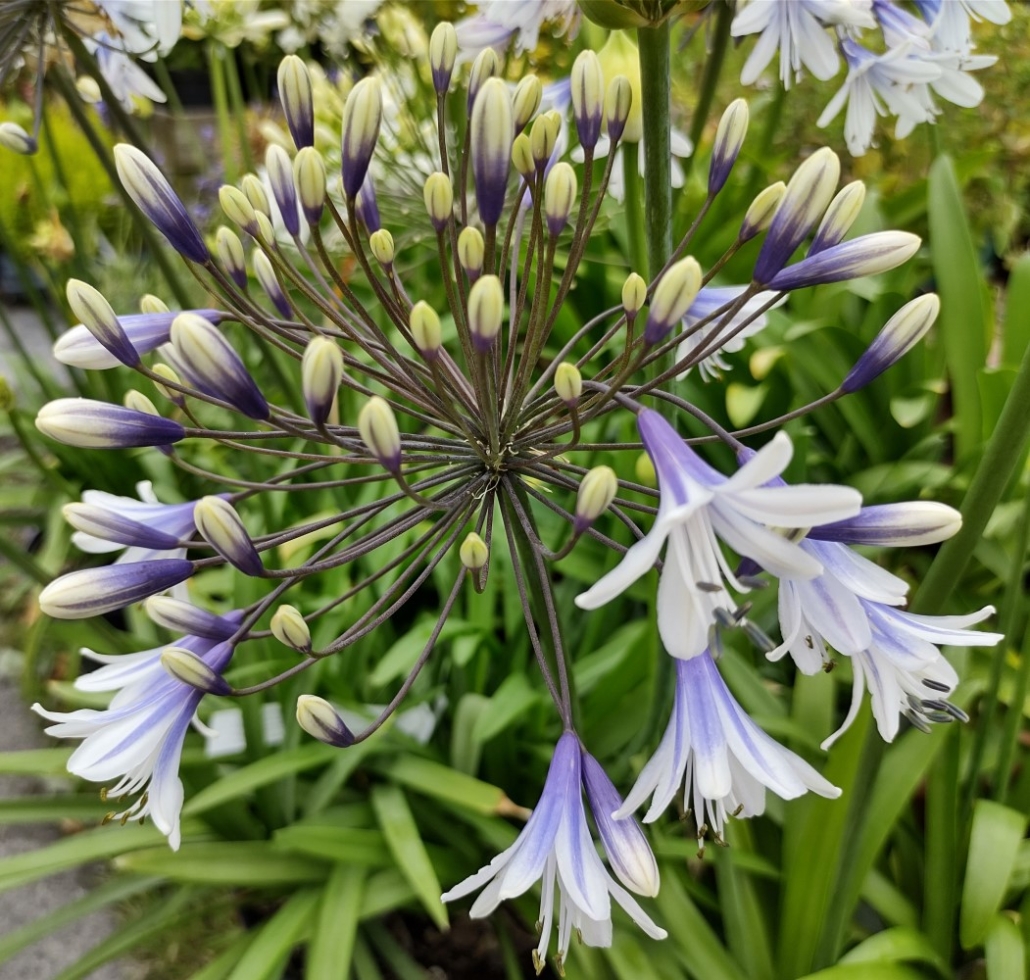
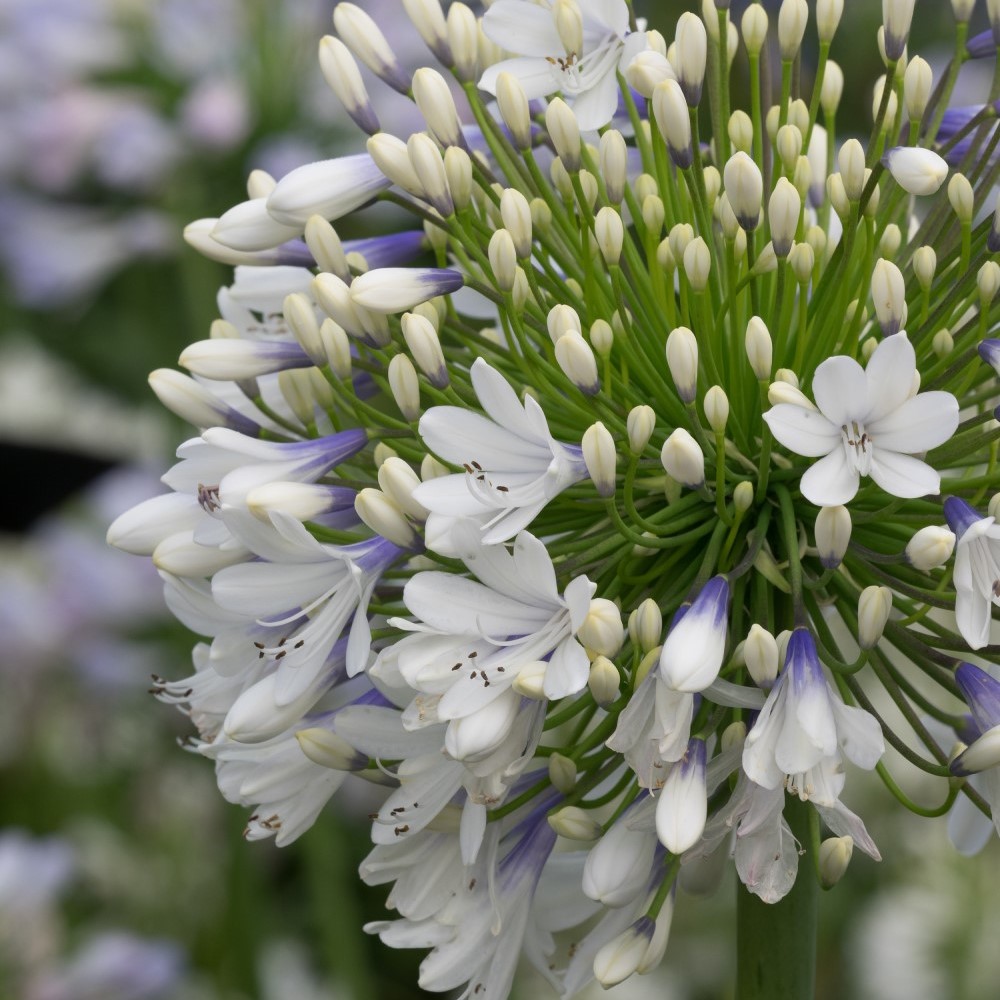
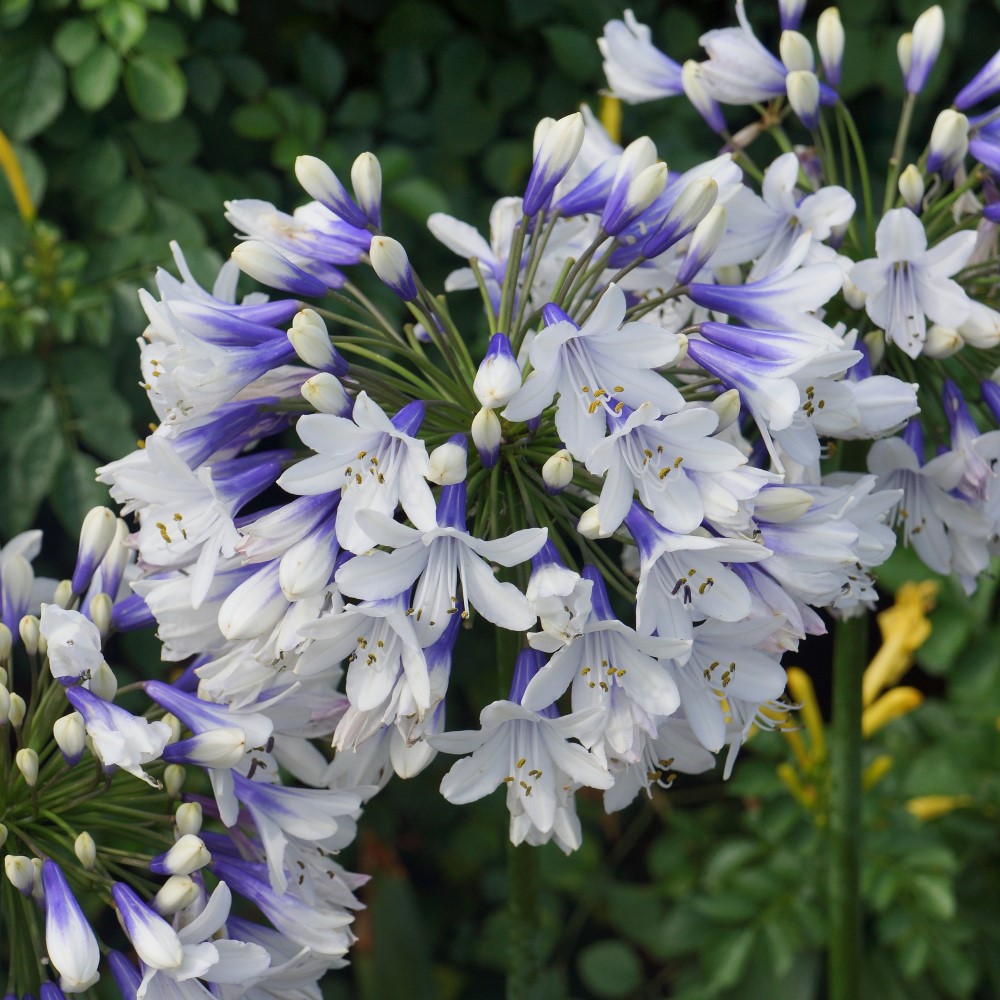
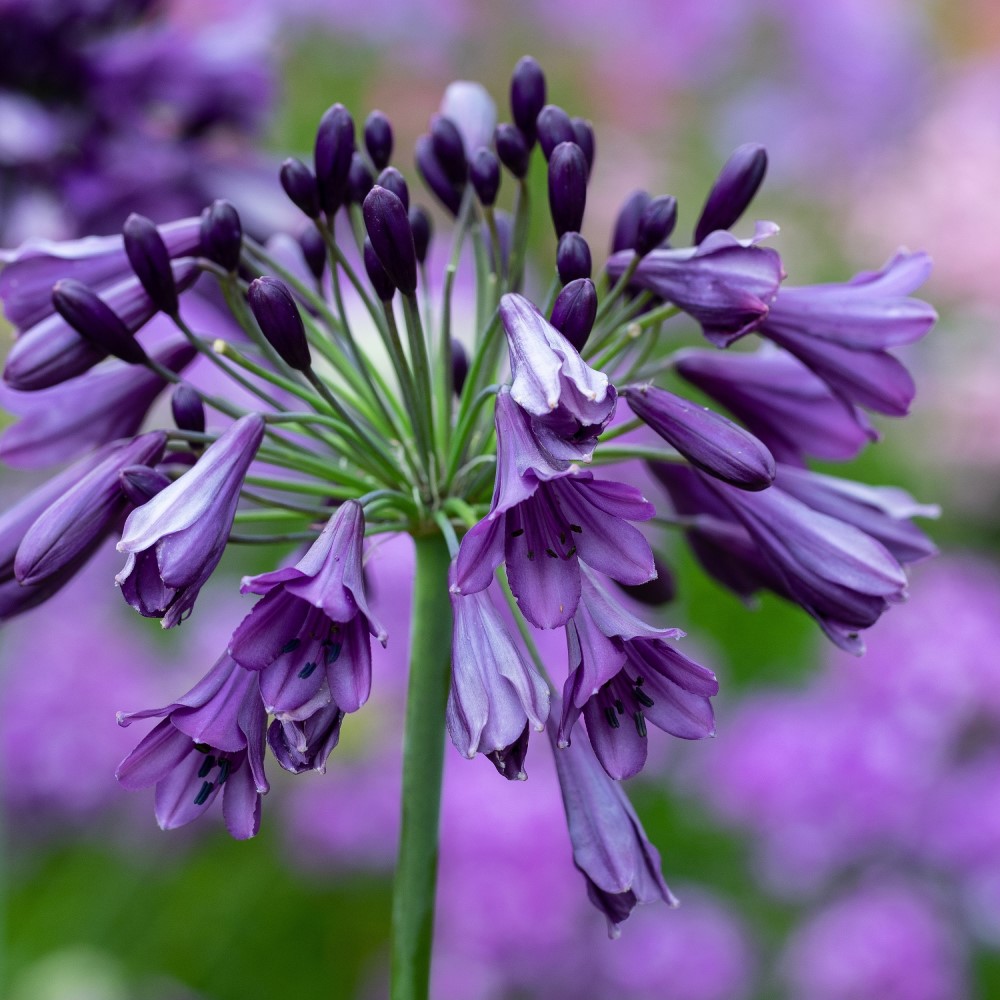
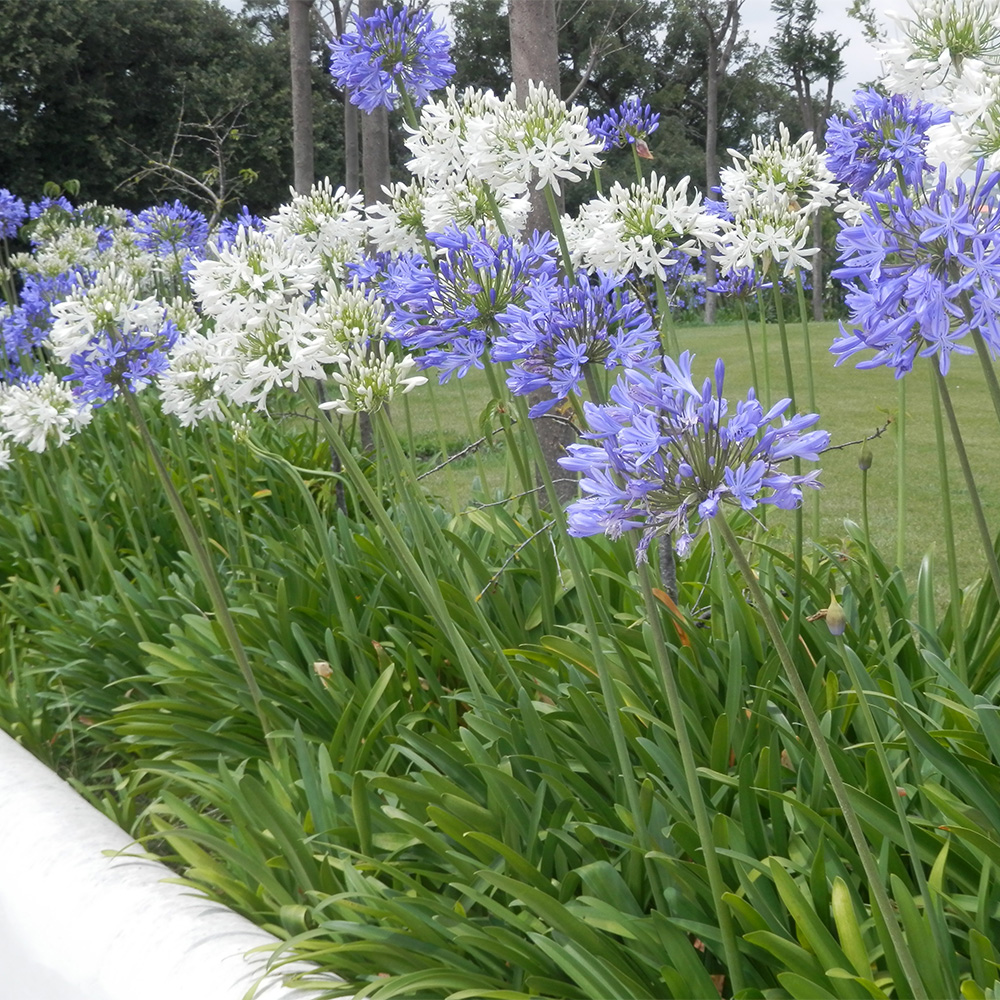
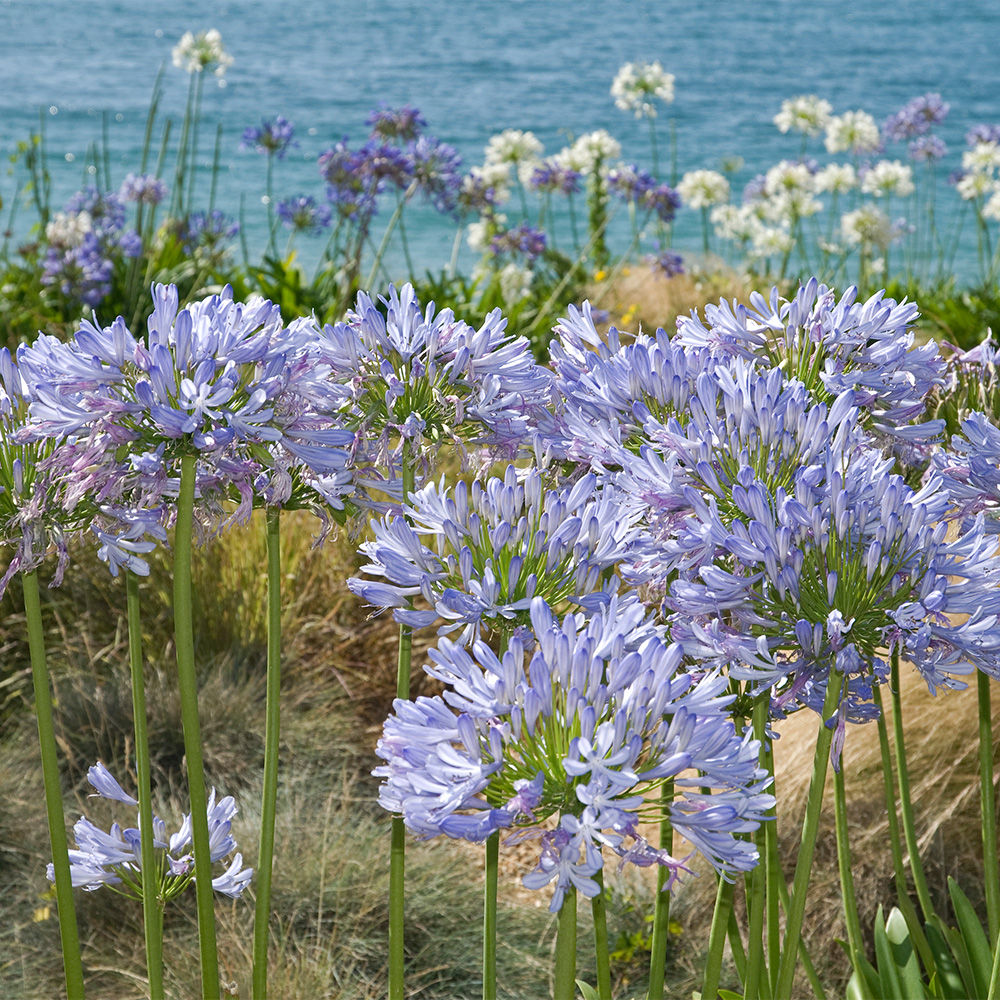
Colour – Agapanthus come in various hues, from dark blues, light blues and purples to white. Which colour you choose depends on your preference. You may have a colour themed planting scheme to fit in with, or you might prefer to mix and match.
Shape – Most Agapanthus have a round head, with small, trumpet shaped flowers. Some less common varieties of Agapanthus have unusual pendant flowers. Whichever you choose, Agapanthus will add something special to your garden.
Agapanthus are relatively tall plants and can grow up to 1.5m or more. These are perfect to provide interest in the centre area of your borders. However, there are also shorter varieties that can be just 20cm, ideal for the front of a border.
Another check to make is whether the Agapanthus is deciduous or evergreen. Deciduous Agapanthus will lose their leaves at the end of the flowering season; in the main these are hardy enough to stay outside during the colder months. However, some Agapanthus, including many evergreen varieties, will overwinter better if they are taken inside. So, if you don’t have a greenhouse or conservatory, choose a hardier variety.
Agapanthus are sun-loving. So, whether you plant in borders or containers, make sure the location gets plenty of sun.
Borders: Agapanthus do best in well-drained soil. You’ll need to dig a hole to approximately the same depth as the pot the plant was in when you bought it. NB if you have heavy soil, you can improve the drainage by digging in plenty of garden compost or well-rotted manure in advance. But it may be better to grow your agapanthus in containers.
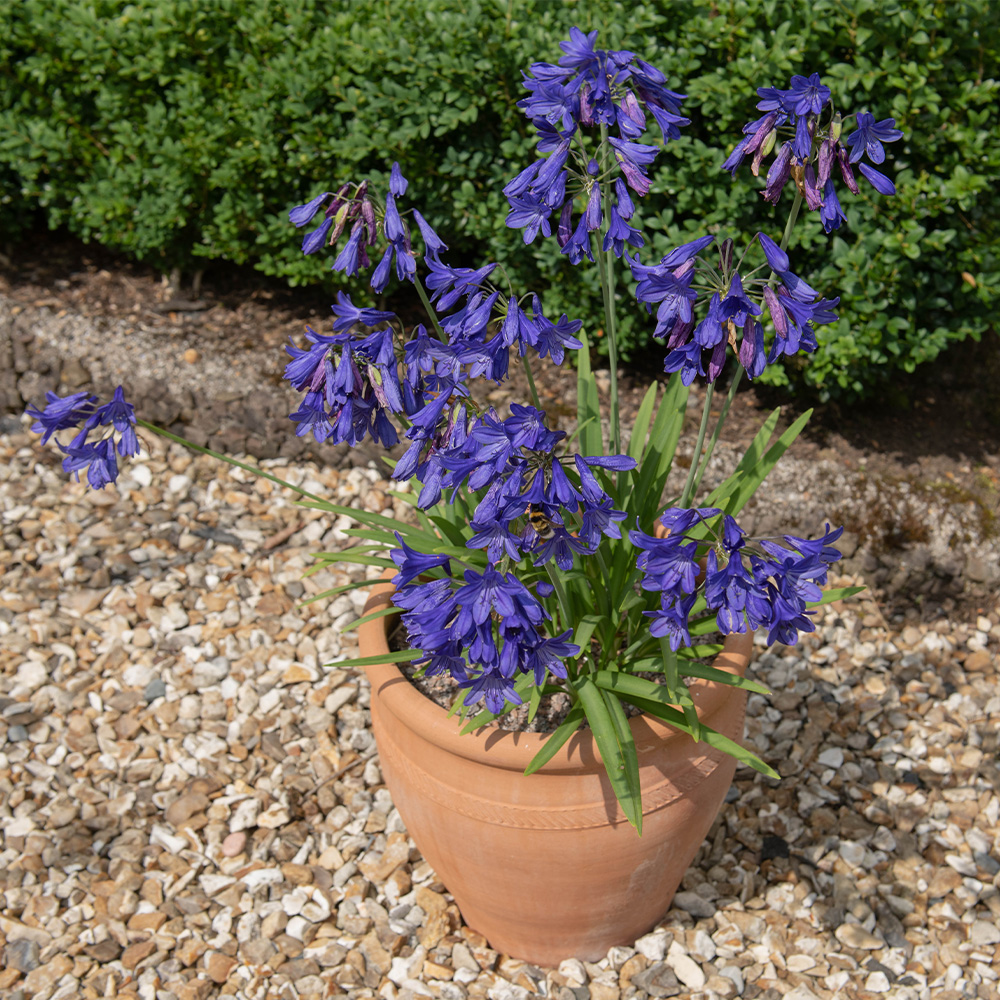
Containers: We particularly love terracotta style pots for these plants. Choose a container that’s the right size for your Agapanthus. They prefer a restricted root growth, so bear this in mind. You can put one plant in a container, but a group of three will also look very attractive. Use a loamy compost (a mix of sand, silt and clay) and add a little gravel into the mix to help drainage. If you are unsure about what pot size you need, ask our plant team instore who will be happy to help you.
With just a little TLC your new Agapanthus will really bring a beautiful show to your garden this Summer. Happy growing!
 Facebook
 YouTube
 Instagram