Otter’s useful guide to Courgettes

Better than shop bought

Courgettes must be one of the easiest vegetables to grow at home.
Given the right conditions, you’ll get a generous harvest with surplus to give to your neighbours!
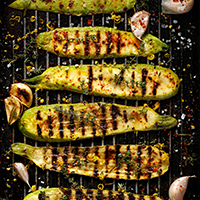
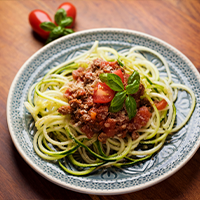
A home grown courgette is perfect for so many different uses in the kitchen; sliced thinly and added to salads, as an ingredient in quiches and tarts, for soup, with pasta, in fritters or added to a cake mix.
Different types

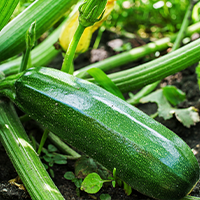
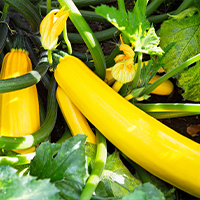
While we are mainly used to the long, dark green courgette, there are different types you can try including yellows, different shades of green and striped varieties.
And while many are the long shape we see most often, courgettes can also be spherical.
Some are trailing plants and others more bushy, ideal if you have a more compact growing area like a balcony or patio.

There are also disease-resistant varieties, a good choice for the beginner grower!

Courgette Green – Defender

Among the most reliable of all courgettes, producing a very heavy crop of dark green, tender fruits over a long period.

Courgette Yellow – Parador

An early maturing courgette variety producing cylindrical, golden-yellow fruits that have an excellent flavour and texture.

How to grow courgettes

Where to grow

Although you can grow them in the greenhouse, courgettes are an ideal outdoor crop.
They prefer a sunny position in the garden in well-prepared soil which has well-rotted manure or other compost incorporated.
Courgette plants are going to need generous space, so give them a little plot of around one metre square.

Grow Bags and Containers

Courgettes can be planted in grow bags, but as they need more space than tomatoes, for example, you’ll want to grow just one or two, at the most, per grow bag.
Loosen the soil and water well before you plant the courgette in the grow bag.

If you want to grow them in a container, choose a larger one, 18” wide or more.
A more practical choice for container grown courgettes is a bush variety.
Use good quality compost and add a general fertilizer.
Water well.

General advice

Watering

Don’t let your courgettes dry out, particularly if they are in containers or grow bags.
This can lead to the plant bearing no fruit.
Courgettes like moist soil so make sure you water regularly, especially in hot, dry spells of weather.
However, there is a balance to be had as overwatering can lead to powdery mildew.

Housekeeping

While courgettes are easy to grow, it’s a good idea to take off any leaves that are faded, damaged or showing signs of powdery mildew.
As well as keeping the plants healthy, removing leaves can ensure that plenty of sun reaches the courgettes, helping them to mature.

General Tips

Courgettes are planted outdoors later than many crops, generally from June, when the weather has warmed up.

Choose a sunny, sheltered spot.

If the roots are pot-bound, give them a very gentle shake to loosen prior to planting.

Feeding

Feed plants in containers regularly once they have begun fruiting.
Use a liquid feed high in potassium, such as a tomato feed, weekly to every 10 days.

Growing from seed

Courgette seeds can be grown indoors in a greenhouse, propagator or sunny windowsill from April for early cropping, or planted directly into soil containing plenty of well-rotted manure or other compost, from June.
A word of warning, slugs and snails love to tuck into courgette seedlings so protect them with a cloche or other covering, particularly in wet weather.

Things to look out for

Courgette Rot, Grey Mould and Powdery Mildew

Although courgettes like moist soil, if the weather is particularly wet the plants may experience courgette rot which can result in spoiled fruit. Water into the soil rather than from above and remove any sodden flowers as these may affect ripening fruit.

Grey mould also occurs in damp weather, appearing as a grey fluffy growth.
Remove any affected parts of the plant and destroy

If you spot a white powder on the leaves this is likely to be powdery mildew.
If you see this, cut out and destroy any affected leaves.

When to harvest

Courgettes can grow into monsters!
While these are still edible they are likely to be tough and lose flavour.
We recommend picking courgettes when they are still quite young and tender.
Not only will they taste better, but this will also encourage more fruit to develop and ripen.

Need more advice?

If you’re still unsure or need any advice, our friendly teams will be happy to chat with you and suggest which varieties would be best for you to plant, as well as when and where to plant them.

We hope you enjoy planting your courgettes– but more importantly, enjoy eating them!

Related News

Newsletter

Sign up to receive our latest insights & news.